Commercial cleaning requirements in Nassau County aren't optional—they're regulatory obligations. Understanding health department standards and compliance documentation protects your business from violations and keeps facilities inspection-ready.
Share:
Summary:
You didn’t open your Nassau County business to become an expert in regulatory cleaning codes. But here’s what matters: businesses that don’t understand commercial cleaning requirements face health department violations, fines, and potential shutdowns. Inspectors don’t grade on effort—they check documentation, evaluate your protocols, and determine whether your facility meets industry-specific standards. If you’re wondering whether your cleaning setup actually meets Nassau County requirements or if you’re just hoping it does, you’re in the right place. Most business owners don’t know the difference between basic janitorial work and compliance-focused commercial cleaning until an inspector points out the gap. Let’s walk through what actually matters for your business.
Commercial cleaning requirements are the regulatory standards your Nassau County, NY business must meet to operate legally and safely. These obligations are enforced by the Nassau County Department of Health, OSHA, and industry-specific agencies based on your business type.
The requirements cover which EPA-registered disinfectants you must use, how often high-touch surfaces need disinfection, and what documentation proves compliance. New York State mandates that all disinfectants must be registered with both the EPA and the Department of Environmental Conservation. Your protocols need to prevent illness transmission, maintain sanitary conditions, and create audit-ready documentation.
What catches most business owners off guard: commercial cleaning requirements aren’t universal. A restaurant in Garden City faces completely different health department cleaning standards than a medical office in Hempstead or a corporate office in Mineola. The Nassau County Department of Health enforces protocols based on your industry, foot traffic, and public health risk level.
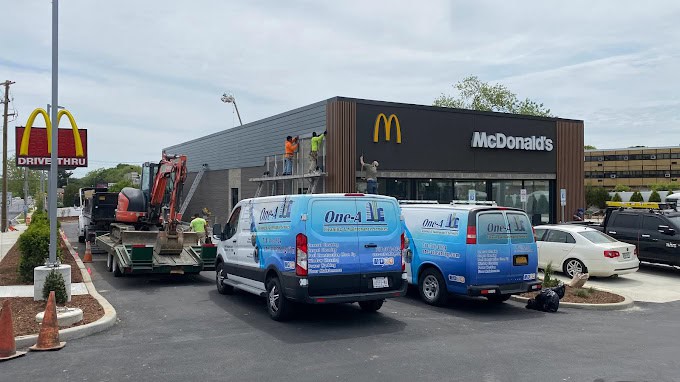
Business cleaning compliance requirements shift dramatically based on your industry. Regulatory agencies recognize that a dental office handles different contamination risks than a corporate headquarters, which is why standards vary.
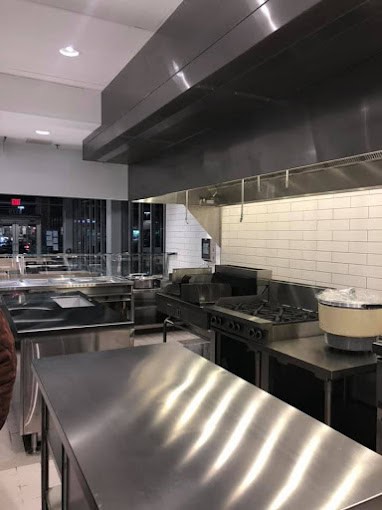
Restaurants and food service businesses face the strictest requirements. The New York State Food Code mandates cleaning and sanitizing food prep surfaces after each use. High-risk areas require disinfection at least twice daily, with increased frequency during peak hours. You need proper waste disposal systems, recyclable separation following Nassau County guidelines, and documented cleaning schedules showing exactly when and how each area was serviced. Food preparation areas must use non-corrosive, easily cleanable surfaces. Temperature logs, hand-washing stations, and sanitizer concentration testing all fall under regular inspection protocols.
Medical facilities in Nassau County operate under healthcare-specific frameworks. These environments must follow CDC guidelines, OSHA’s Bloodborne Pathogens Standard, and strict sanitation protocols. Exam rooms, waiting areas, and high-touch surfaces like door handles require hospital-grade disinfectants applied multiple times daily. Medical waste follows color-coded disposal procedures with detailed documentation. Cleaning staff needs specialized training in biohazard handling and personal protective equipment. The stakes go beyond violations—healthcare-associated infections affect approximately one in 31 patients, making proper cleaning protocols critical for patient safety.
General office spaces and commercial buildings fall under OSHA general industry standards for Nassau County. That includes slip and fall prevention through documented floor care protocols, hazard communication programs for cleaning chemicals, and regular high-touch surface disinfection to reduce illness transmission. The most frequently cited OSHA violations in commercial cleaning involve missing Safety Data Sheets, inadequate staff training documentation, and failure to provide appropriate PPE. Even standard office environments carry regulatory obligations that require professional attention.
The reality: if you don’t know which commercial cleaning requirements apply to your Nassau County business, you’re operating in a compliance blind spot. Health department inspectors don’t accept ignorance as an excuse.
Cleaning your Nassau County facility is only half of business cleaning compliance. Proving you cleaned it properly is equally important. When health department inspectors arrive, they examine your facility and request documentation—cleaning schedules, staff training records, product Safety Data Sheets, and logs showing what was cleaned, when it happened, and who performed the work.
This is where most Nassau County businesses fail inspections. Your facility might be spotless, but without proper records during an audit, you’re facing violations. Regulatory agencies require proof that your cleaning protocols are consistent, your staff is properly trained, and you’re using approved products according to manufacturer specifications.
A compliant cleaning program includes detailed schedules outlining frequency, methods, products, and staff responsibilities for each area. You need current Safety Data Sheets for every chemical used on-site, accessible to employees during all shifts. OSHA’s Hazard Communication Standard requires a written program identifying every hazardous chemical, proper container labeling, and documented training proving employees understand safe handling procedures. When injuries or illnesses occur, inspectors immediately request proof of protocol compliance. Missing documentation means liability.
We don’t just clean—we create audit trails. We maintain detailed logs showing serviced areas, products used, and completion times. During health department inspections, that documentation demonstrates your systematic commitment to regulatory standards. You’re not improvising. You’re following documented protocols designed for consistent compliance.
For Nassau County businesses in high-risk industries like healthcare or food service, documentation extends beyond avoiding fines—it protects your operating license. Repeated violations can trigger temporary closures, mandatory retraining requirements, or permanent shutdowns. The investment in proper documentation is minimal compared to losing your ability to operate.
If your current cleaning provider doesn’t supply logs, schedules, or compliance documentation, you’re receiving basic janitorial maintenance, not commercial cleaning that meets regulatory requirements. Health department inspectors recognize the difference immediately.
Want live answers?
Connect with a One-A Cleaning and Maintenance expert for fast, friendly support.
Health department cleaning standards exist to prevent illness, reduce contamination, and protect public health across Nassau County, NY. These standards are enforced through unannounced inspections, complaint investigations, and industry-specific regulatory oversight. Businesses failing to meet requirements face citations, fines, and potential closures until violations are corrected.
The foundation starts with identifying high-touch surfaces and high-traffic areas, then establishing documented procedures for cleaning and disinfecting them at appropriate frequencies. Doorknobs, light switches, elevator buttons, countertops, restroom fixtures, and shared equipment all require regular protocols. The New York State Department of Health mandates that facilities must clean surfaces thoroughly using soap or detergent before applying disinfectants, and disinfectants must remain on surfaces for the full contact time specified on product labels.
Compliant cleaning differs from basic cleaning through understanding which products meet regulatory standards, correct application procedures, and appropriate frequency for different areas based on occupancy and risk level. Some Nassau County facilities maintain compliance with daily cleaning. Others require multiple disinfection cycles per day.
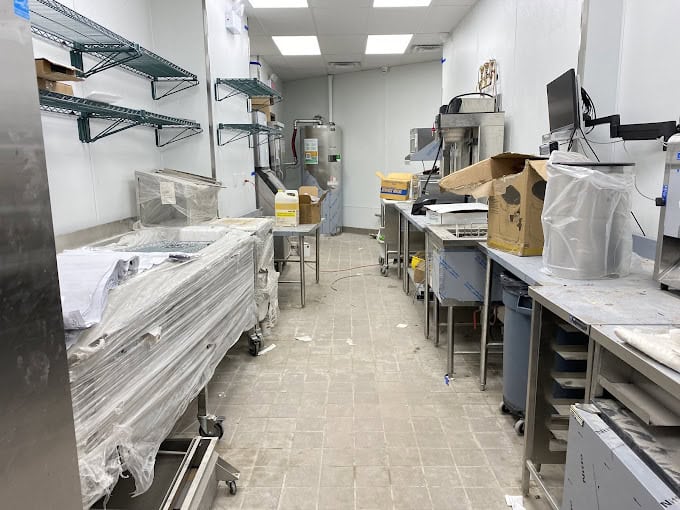
High-touch surfaces are areas where multiple people make contact throughout the day—prime zones for germ transmission. Health department cleaning standards require Nassau County businesses to clean and disinfect these surfaces regularly using EPA-approved products registered for use in New York State.
Nassau County businesses must use disinfectants registered with both the EPA and the New York State Department of Environmental Conservation. These products undergo testing and labeling to confirm they eliminate specific pathogens when applied according to instructions. Product labels specify contact time—the duration disinfectant must remain wet on surfaces to work effectively. Most people make this critical mistake: they spray and immediately wipe, which doesn’t allow proper disinfection. That’s surface cleaning, not pathogen elimination.
We follow the two-step protocol required by health department cleaning standards. First, we remove visible dirt and debris using soap and water. Second, we apply EPA-registered disinfectant and maintain wet contact for the required time before wiping if necessary. This process actually reduces pathogens to safe levels rather than just redistributing them.
Frequency requirements depend on your Nassau County business type and foot traffic. Medical facilities often disinfect high-touch surfaces multiple times daily, particularly in waiting rooms and exam areas where sick patients congregate. Restaurants concentrate heavily on food prep surfaces requiring sanitization after each use. Office buildings typically implement daily disinfection, increasing frequency during cold and flu seasons or outbreak situations.
Research demonstrates that professional commercial cleaning services eliminate up to 99% of surface bacteria through proper disinfection protocols. For Nassau County businesses, that translates to measurable reductions in employee sick days—studies show 20-30% decreases in absenteeism when facilities maintain professional cleaning standards. The financial impact is clear: proper disinfection protocols pay for themselves through reduced productivity losses.
If your cleaning provider isn’t using EPA-registered disinfectants, following manufacturer contact times, or documenting which surfaces received disinfection and when, you’re not meeting health department cleaning standards. You’re gambling on not getting inspected.
Waste management represents a compliance area Nassau County businesses frequently overlook until violations occur. The county maintains specific guidelines for trash removal, recycling separation, and in certain industries, hazardous waste disposal. Mistakes in this area generate immediate violations that can halt operations.
Standard commercial facilities must maintain regular trash removal schedules and separate recyclables according to Nassau County guidelines. All waste receptacles require vermin-proof construction with tight-fitting lids. Overflowing bins or accumulated waste create sanitation hazards that trigger violations. We build waste management protocols into our documented cleaning schedules.
Restaurants in Nassau County face additional layers of complexity. Food waste, grease disposal, and contaminated materials each require specific handling procedures with documentation proving proper methods. Cleaning schedules must include drain maintenance preventing pest infestations. The New York State Food Code explicitly details waste receptacle construction, placement, and maintenance standards. Health department inspectors check these requirements during every visit.
Medical facilities in Nassau County, NY handle entirely different waste management challenges. Biohazardous materials, sharps containers, and contaminated supplies follow strict color-coding systems. Medical waste requires bagging, weighing, tagging, and documentation according to OSHA and New York State regulations. Cleaning staff working in healthcare environments need specialized training covering bloodborne pathogen procedures, proper PPE usage, and disposal protocols preventing contamination spread.
The common element across all Nassau County industries: waste management extends beyond trash removal. It encompasses contamination prevention, pest control, and maintaining sanitary conditions meeting regulatory standards. We don’t simply empty bins—we follow documented procedures demonstrating compliance during health department inspections.
If your current cleaning arrangement doesn’t include proper waste management protocols, you’re exposed to violations. Unlike cosmetic issues, improper waste handling generates immediate citations during inspections.
Commercial cleaning requirements in Nassau County, NY continue evolving, and regulatory complexity isn’t decreasing. Health department cleaning standards, OSHA regulations, and industry-specific protocols all demand attention, documentation, and consistency. Nassau County businesses handling compliance successfully aren’t managing it alone—they partner with professional cleaning services understanding regulations as thoroughly as cleaning techniques.
The distinction between basic janitorial work and compliance-focused commercial cleaning comes down to regulatory knowledge, proper training, and audit-ready documentation. You need cleaning partners who understand which standards apply to your Nassau County industry, use approved products according to regulations, and provide the schedules and logs required during health department inspections.
We bring that regulatory expertise to Nassau County, NY businesses. Licensed, insured, and supported by professional staff trained in local compliance requirements, we provide customized cleaning plans with documentation keeping your facility inspection-ready. Connect with us to discuss how compliance-focused commercial cleaning protects your Nassau County business and eliminates regulatory stress.
Article details:
Share:
Continue learning: