Weighing professional cleaning vs DIY? The real costs go beyond the price tag—time, equipment, consistency, and liability all factor into your return on investment.
Share:
Summary:
You’ve probably done the math in your head already. Professional cleaning costs X per month. Doing it yourself costs nothing—or close to it. But that calculation leaves out most of what actually matters.
The real comparison between professional cleaning and DIY goes deeper than the invoice. It’s about time you’ll never get back, equipment that doesn’t quite cut it, results that vary week to week, and risks you might not see coming. For Nassau County homeowners and business owners, the right choice depends on understanding the full picture—not just the sticker price. Let’s break down what professional cleaning vs DIY actually costs when you factor in everything.
DIY cleaning looks cheap on paper. You already own a vacuum. You’ve got cleaning supplies under the sink. Maybe you spend $30 a month on refills. That’s it, right?
Not quite. The actual cost of handling cleaning yourself includes money you can see and costs you don’t track. Equipment wears out. Supplies run low. And your time—the hours you spend scrubbing, mopping, and dusting—has a dollar value whether you count it or not.
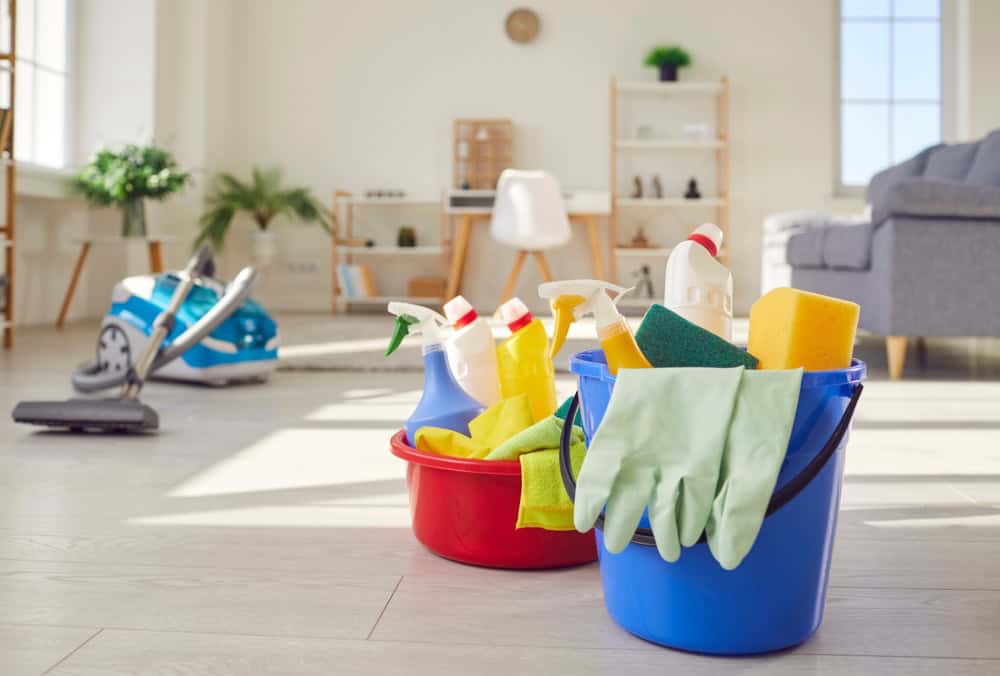
For a medium-sized office, basic cleaning supplies run around $100 monthly. Add in equipment replacements, and households typically spend $200 to $400 per year just on cleaning products and tools. That’s before you count the hours.
Here’s where DIY cleaning gets expensive fast. Most people underestimate how much time they actually spend cleaning. A standard home takes anywhere from 6 to 8 hours per week when you add up daily tidying and weekend deep cleans. That’s over 300 hours a year.
If you run a small business, those three hours you spend cleaning each week add up to 150 hours annually. At a modest $20 per hour, that’s $3,000 in opportunity cost—time you could have spent on revenue-generating work instead of scrubbing floors.
Professional cleaners complete the same work in 2 to 4 hours because they work in teams, follow efficient systems, and don’t get distracted. You’re not just paying for cleaning. You’re buying back time that has real value.
The math changes depending on what your time is worth. If you earn $35 to $50 per hour and spend 6 hours cleaning on a weekend, the opportunity cost exceeds what you’d pay a professional service. That’s not even counting the physical effort or the fact that you’re spending your weekend doing work instead of whatever else you’d rather be doing.
For business owners in Nassau County, the calculation is even clearer. Every hour you or your staff spend cleaning is an hour not spent serving customers, developing products, or growing the business. The question isn’t whether professional cleaning costs money. It’s whether doing it yourself costs more.
Consumer cleaning tools and professional-grade equipment produce visibly different results on every surface. This is one of the most underestimated factors in the professional cleaning vs DIY comparison.
Household equipment typically includes a standard upright or stick vacuum without HEPA filtration, spray bottles with general-purpose cleaner, cotton cloths or paper towels that spread dust rather than capture it, and a single mop and bucket used for all floor types. It gets the job done for light maintenance. It doesn’t deep clean.
Professional equipment includes HEPA-filter vacuums that trap 99.97% of particles down to 0.3 microns—including allergens, bacteria, and dust that your standard vacuum misses. Microfiber systems capture and hold dirt without redistributing it across surfaces. Commercial-grade disinfectants are EPA-registered for specific pathogen kill claims, not just general “kills 99% of germs” marketing.
The difference shows up in results. Professional carpet cleaners use 500 psi water pressure, dual-stage vacuum motors with 150 inches of water lift, and heated water systems. DIY rental machines lack the pressure, suction, and heating power to pull embedded dirt from carpet fibers. They clean the surface. Professionals clean deep.
And here’s the part most people don’t think about: using the wrong equipment or products can cause damage. Surface damage from incorrect product choices leads to repair bills for scratched cooktops, etched stone, or discolored grout. Professional cleaners know which products work on which surfaces. We don’t learn by ruining your countertops.
You can rent better equipment, but that adds cost and hassle. A Rug Doctor rental runs $40 to $50 for 24 to 48 hours, plus cleaning solution. For occasional use, it works. For regular cleaning, you’re better off with professionals who bring the right tools every time.
Want live answers?
Connect with a One-A Cleaning and Maintenance expert for fast, friendly support.
Professional cleaning isn’t just DIY with better equipment. It’s a different approach built on consistency, expertise, and accountability. When you outsource cleaning services, you’re not paying for someone to do work you could do yourself. You’re paying for results you can’t reliably achieve on your own.
The biggest advantage is consistency. When you handle cleaning yourself, quality depends entirely on your energy level, your mood, and how much time you have that day. Some weeks you deep clean. Other weeks you barely sweep. This inconsistency creates a cycle where dirt builds up until you’re forced into a marathon cleaning session.
Professional services eliminate that variation completely. Every visit follows a standardized checklist. The same tasks get completed to the same quality level every time, regardless of what happened during your week. Consistency matters because dust and allergens stay below levels that trigger symptoms. Bathroom mold never gains a foothold because surfaces are cleaned before growth begins.
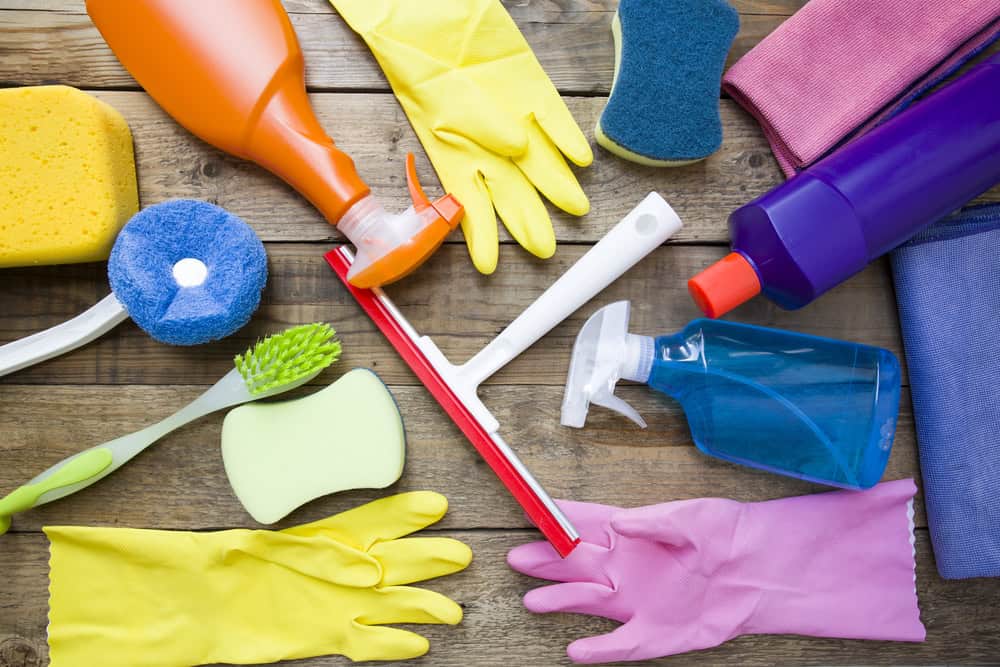
Professional cleaners bring expertise that goes beyond knowing how to mop a floor. We’re trained to recognize which products work on different materials, how to tackle stubborn stains without causing damage, and which techniques deliver the best results in the least time.
That expertise prevents costly mistakes. We know not to use acidic cleaners on natural stone, not to mix certain chemicals, and how to handle delicate surfaces. We understand proper sanitation techniques that eliminate germs and allergens—not just move them around. For families with young children, pets, or allergy sufferers, that knowledge makes a real difference.
Efficiency is another major benefit. Professional cleaners work faster because we do this every day. We know the most efficient order to clean a room, which tools speed up which tasks, and how to avoid wasting time. What takes you 6 hours takes us 2 to 4 hours, and we do it better.
Then there’s the peace of mind. When you outsource cleaning services, you’re not just delegating tasks. You’re transferring responsibility. If something goes wrong—if equipment breaks, if someone gets injured, if property gets damaged—we handle it. We carry insurance. We train our staff. We have systems in place to prevent problems and fix them when they happen.
For business owners, this matters even more. General liability insurance and workers’ compensation are requirements for professional cleaning companies. When you hire us, our insurance covers accidents and injuries. When you assign cleaning to your own employees or handle it yourself, you assume that risk. The liability protection alone can justify the cost.
Professional services also offer flexibility and scalability. Need more frequent cleaning during busy seasons? Want to add specialized services like carpet cleaning or window washing? We adjust to your needs without you having to hire, train, or manage additional staff. You get exactly what you need when you need it.
Let’s talk real numbers. Professional cleaning for a standard home typically costs $180 to $280 per visit for bi-weekly recurring service. That’s $360 to $560 per month, or roughly $4,300 to $6,700 per year. For commercial spaces, costs run $0.10 to $0.30 per square foot, so a 5,000 square foot office might pay $500 to $1,500 per session.
DIY looks cheaper: $200 to $400 annually for supplies, plus equipment you already own. But add in your time—6 to 8 hours per week at even a conservative $25 per hour—and you’re looking at $7,800 to $10,400 in opportunity cost annually. Suddenly professional cleaning doesn’t just compete. It wins.
The comparison gets more complex when you factor in results. DIY cleaning often needs to be repeated more frequently because it doesn’t deep clean. Dirt returns quickly, especially in grout lines and carpet fibers. You end up cleaning more often to maintain the same level of cleanliness. Professional cleaning lasts longer because it removes dirt at the source.
There are also hidden costs in the DIY approach. Equipment breaks down. Vacuums lose suction. Steam cleaners fail. Replacement costs add up over time. And mistakes—using the wrong product on the wrong surface—can lead to repair bills that dwarf what you’d pay for professional service.
For businesses, the calculation is even clearer. Hiring and managing in-house cleaning staff means recruiting costs (average $4,425 per employee), training costs (average $1,286 per new hire), payroll, benefits, and management time. The average time to fill an open cleaning role is 36 to 42 days. Turnover in the cleaning industry runs around 42%, so you’re constantly recruiting and training.
Outsourcing eliminates all of that. You pay a predictable monthly fee. We handle hiring, training, management, insurance, and equipment. You get consistent results without the administrative burden. When you add up the total cost of in-house cleaning—payroll, benefits, management time, insurance, equipment—outsourcing often costs less and delivers better results.
The professional cleaning vs DIY decision isn’t one-size-fits-all. It depends on your priorities, your budget, and what your time is worth. But the real ROI goes beyond the invoice.
Professional cleaning saves time, delivers consistent results, uses better equipment, and transfers liability. DIY saves money upfront but costs you in time, inconsistent quality, and potential mistakes. For most Nassau County homeowners and business owners, the math favors professional service—especially when you factor in opportunity cost.
If you’re ready to stop spending weekends cleaning and start getting reliable, professional results, we can help. We’re a family-owned Nassau County company that brings the equipment, expertise, and consistency you need—without the hassle of managing it yourself.
Article details:
Share:
Continue learning: