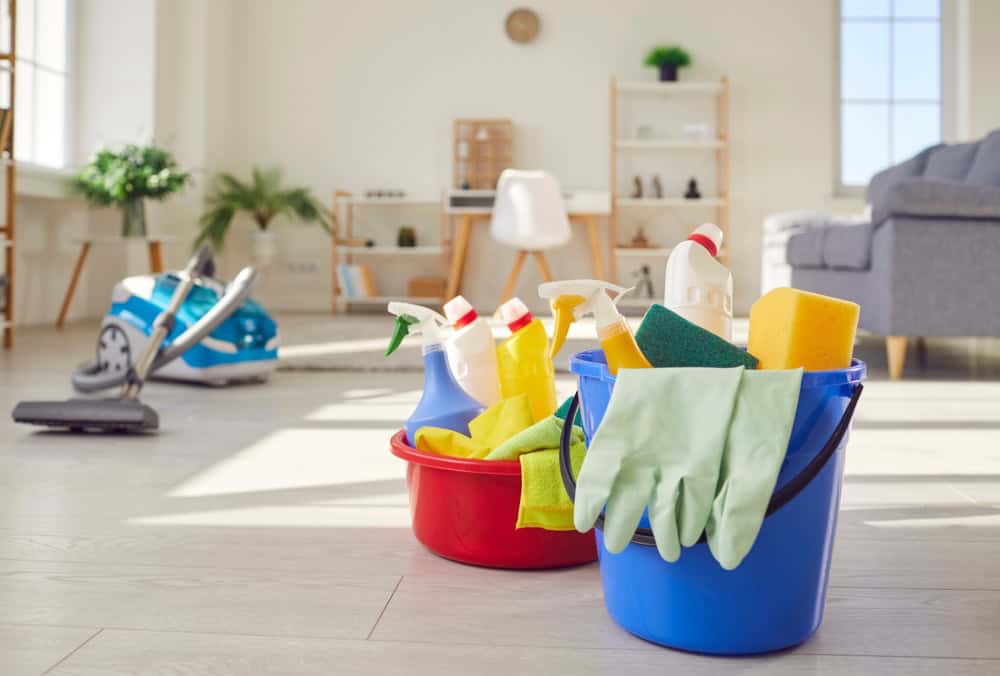
Property managers in Nassau County need cleaning products that protect surfaces, satisfy tenants, and deliver consistent results without breaking the budget or damaging valuable property materials.
Share:
Summary:
You’re managing properties where every day counts. Tenant move-outs, inspections, maintenance requests, and the constant pressure to keep units rent-ready without blowing your budget. The cleaning products you choose—or the ones your team uses—make a bigger difference than most property managers realize. Wrong products damage surfaces you’ll pay to replace. Weak products leave residue that tenants notice. Harsh chemicals create complaints about odors and health concerns.
The right cleaning products protect your investment, speed up turnovers, and keep tenants satisfied enough to renew their leases. Let’s talk about what actually works for property management in Nassau County and why it matters more than you might think.
Property managers face challenges homeowners never deal with. You’re cleaning multiple units with different surface types, managing turnover schedules that don’t allow for trial and error, and dealing with the consequences when something goes wrong.
Residential cleaning products from the grocery store aren’t designed for the volume or variety you handle. They’re formulated for occasional use on familiar surfaces, not for the daily demands of property management where one wrong product choice can mean replacing an entire kitchen countertop or refinishing hardwood floors.
Commercial-grade cleaning products offer concentrated formulas that go further per dollar, professional-strength effectiveness that cuts through real grime, and surface-specific formulations that protect materials instead of degrading them over time.
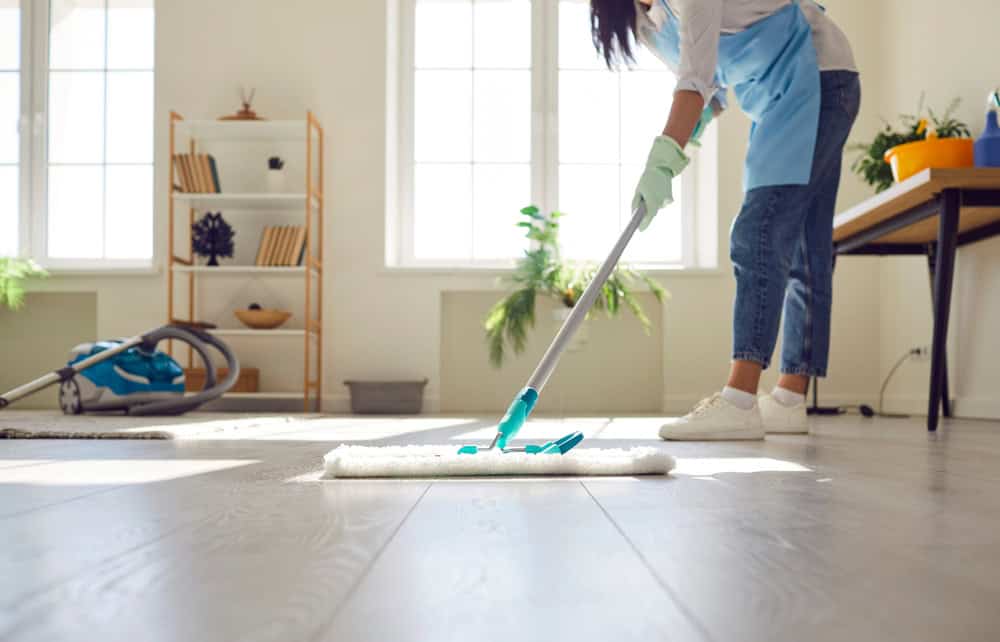
Commercial cleaning products cost more upfront. That’s the reality. But property managers who’ve done the math know they’re actually cheaper in the long run.
Concentrated formulas mean one bottle makes multiple gallons of cleaning solution. You’re not paying for water and packaging every time you restock. Professional-grade products also work faster—your cleaning team spends less time scrubbing and more time moving through their checklist, which matters when you’re paying by the hour or racing against a move-in deadline.
The bigger savings come from what doesn’t happen. According to a study by the Building Owners and Managers Association, preventive measures can reduce repair costs by 12-18% per year. Using the right products on the right surfaces prevents the kind of damage that turns into capital expenses. Vinegar might be “natural,” but it etches stone countertops and dulls hardwood finishes. Bleach disinfects, but it also destroys grout and fades colored surfaces.
Commercial products are formulated with these realities in mind. They’re tested on the materials you actually manage, not just marketed to people who clean their own homes once a week. That specificity protects your property value and keeps your maintenance costs predictable instead of surprising.
Every property manager has a story about damage from the wrong cleaning product. Maybe it’s the marble bathroom vanity that lost its shine from acidic cleaner. Or the hardwood floors that went cloudy from too much product buildup. Or the stainless steel appliances scratched by abrasive scrubbers.
These aren’t small fixes. Replacing a damaged countertop runs thousands of dollars. Refinishing floors takes units offline for days—days you’re not collecting rent. And once tenants see damage, they assume the property isn’t well-maintained, which affects their willingness to renew or pay premium rates.
The wrong products also create immediate problems that damage your reputation. Harsh chemical cleaners leave odors that linger for days after a turnover clean. Tenants moving into a “clean” unit that smells like a swimming pool don’t feel welcomed—they feel concerned about what they’re breathing. Traditional cleaning chemicals can release volatile organic compounds (VOCs) that linger in indoor environments, creating air quality issues that sensitive tenants notice immediately.
Product buildup is another hidden cost. Using too much product or the wrong formulation leaves residue that attracts dirt faster. Floors look dirty within days instead of weeks. Surfaces feel sticky or filmy. Your cleaning team ends up spending extra time trying to remove the buildup from previous cleanings, which defeats the entire purpose of having professional products in the first place.
Want live answers?
Connect with a One-A Cleaning and Maintenance expert for fast, friendly support.
Property managers who’ve been in the business for years develop strong opinions about cleaning products—usually because they’ve learned the hard way what works and what doesn’t. The best cleaning products for property management aren’t always the most expensive or the most heavily advertised. They’re the ones that deliver consistent results across different surfaces without creating new problems.
The products professionals rely on fall into a few essential categories: multi-surface cleaners that handle daily maintenance, specialized products for specific materials, disinfectants that actually kill germs, and eco-friendly options that meet modern tenant expectations without sacrificing effectiveness.
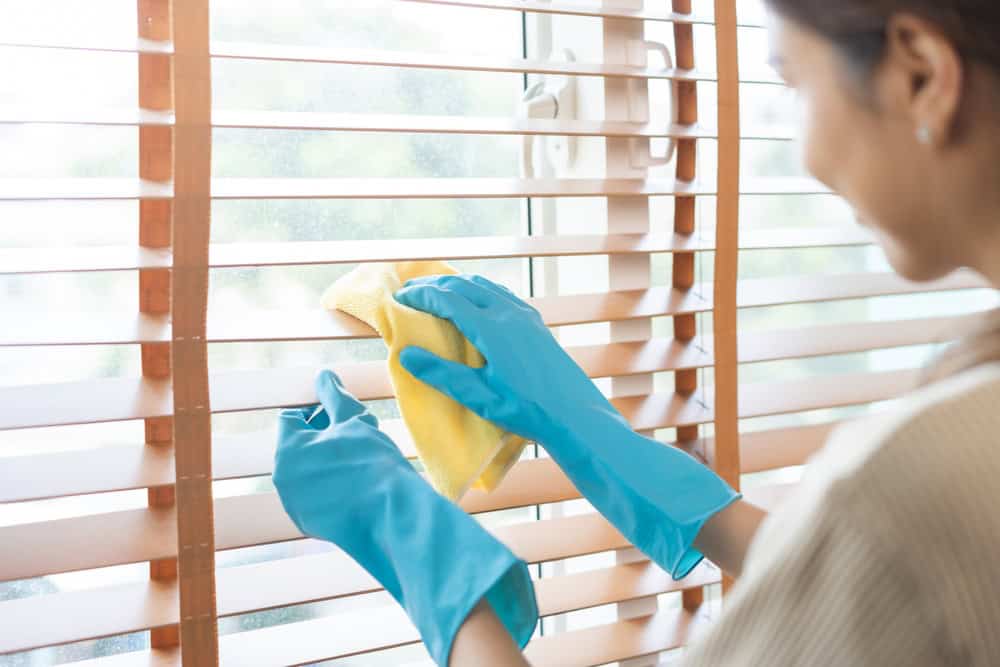
Multi-surface cleaners are the workhorse of property management cleaning. You need products that can move from countertops to appliances to door frames without switching bottles every three minutes. But “multi-surface” doesn’t mean “works on everything”—it means safe for the most common non-porous surfaces in residential and commercial properties.
The best all-purpose cleaners cut through grease and grime without leaving residue or requiring excessive rinsing. They’re pH-neutral enough not to damage most surfaces but strong enough to actually clean instead of just moving dirt around. Professional formulas often include surfactants that help lift soil away from surfaces and prevent it from resettling, which is why floors cleaned with commercial products stay cleaner longer than those cleaned with consumer-grade alternatives.
For property managers, concentrated all-purpose cleaners offer the best value. One gallon of concentrate typically makes 64 to 128 gallons of cleaning solution depending on the dilution ratio. You’re controlling the strength based on the job—lighter dilution for daily maintenance, stronger concentration for move-out cleaning or neglected units. This flexibility means you’re not buying separate products for light and heavy-duty jobs.
Eco-friendly all-purpose cleaners have improved dramatically in recent years. 72% of facility managers now rank sustainability as a key factor when awarding janitorial contracts, and tenants increasingly expect properties to use green products. Modern eco-friendly formulas use plant-based surfactants and biodegradable ingredients that work as effectively as traditional chemicals without the harsh odors or health concerns. Look for products certified by EPA Safer Choice, Green Seal, or EcoLogo—these third-party certifications mean the products have been independently verified, not just marketed as “natural.”
The key is understanding what “multi-surface” actually means for each product. Read the label. Some all-purpose cleaners shouldn’t be used on natural stone, unsealed wood, or certain metals. Others are truly versatile but might not be strong enough for heavy soil. Having two or three different multi-surface options—a gentle daily cleaner, a stronger degreaser, and an eco-friendly option for tenant-occupied units—covers most situations without requiring a closet full of specialty products.
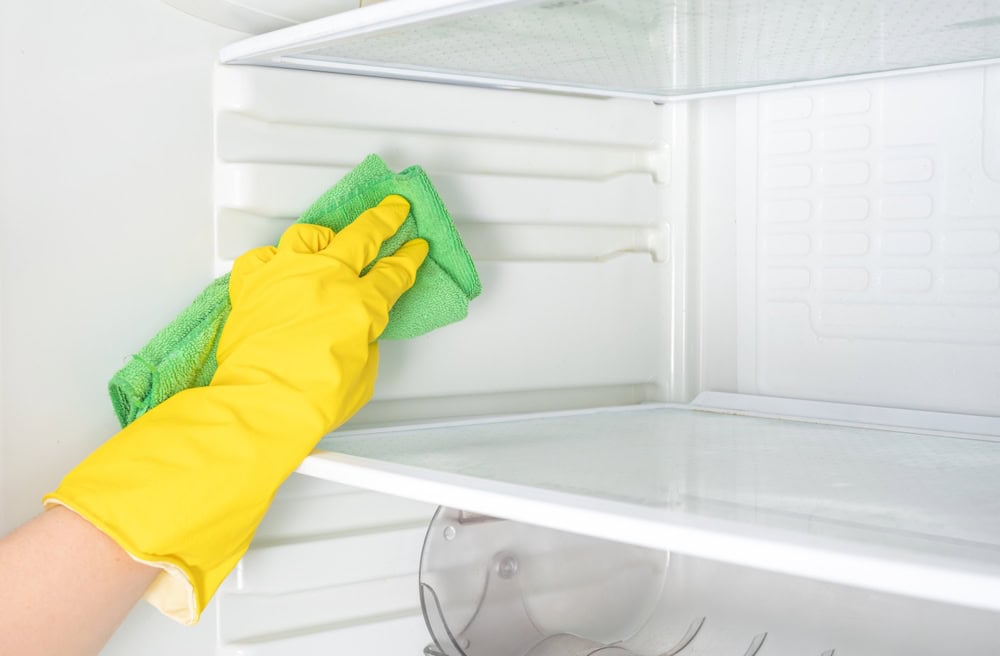
Disinfecting isn’t the same as cleaning, and property managers need to understand the difference. Cleaning removes visible dirt and grime. Disinfecting kills pathogens that cause illness. You have to clean first—disinfectants don’t work effectively on dirty surfaces—but skipping the disinfection step leaves germs behind that can make tenants sick and create liability issues.
Professional disinfectants come in several categories. Quaternary ammonium compounds (quats) are popular in property management because they’re effective against a broad spectrum of bacteria and viruses, including SARS-CoV-2, work quickly, and don’t require rinsing on food-contact surfaces when used at proper dilution. They’re also relatively gentle on surfaces compared to bleach or other harsh disinfectants.
Hydrogen peroxide-based disinfectants are gaining popularity, especially in properties focused on green cleaning. They break down into water and oxygen after use, leaving no harmful residues. They’re effective against most common pathogens and work well in bathrooms, kitchens, and high-touch areas. The downside is they typically require longer contact times than quats—you need to leave the surface wet for several minutes to achieve proper disinfection.
Bleach remains the go-to disinfectant for some situations, particularly in bathrooms and for mold remediation. It’s inexpensive and highly effective. But bleach also damages many surfaces over time, creates strong odors that tenants complain about, and loses effectiveness quickly once diluted. If you’re using bleach, mix fresh solutions daily and never combine it with other cleaning products—mixing bleach with ammonia or acids creates toxic gases that can hospitalize people.
The most important thing about disinfectants is following the manufacturer’s instructions for contact time. Spraying disinfectant and immediately wiping it off doesn’t kill anything—you’re just spreading germs around with expensive chemicals. Most disinfectants need to stay wet on the surface for 3 to 10 minutes to work properly. This is why professional cleaning teams often apply disinfectant, move on to another task, and come back to wipe surfaces after the required contact time.
For property managers, EPA-registered disinfectants are non-negotiable. These products have been tested and proven effective against specific pathogens. The EPA registration number on the label tells you the product has met federal standards for safety and effectiveness. This matters for liability purposes—if a tenant claims they got sick because your property wasn’t properly sanitized, you want documentation that you used EPA-approved products according to label directions.
The best cleaning products for property managers balance effectiveness, safety, cost, and tenant expectations. You need products that protect your investment by preserving surfaces, speed up turnovers by working efficiently, and create the kind of clean environment that keeps tenants satisfied and renewing leases.
Start with the essentials: a good multi-surface cleaner, an effective disinfectant, and specialized products for your most common surface types. Build from there based on your specific properties and tenant demographics. Properties with health-conscious tenants might justify the investment in certified green products. High-turnover units might need heavy-duty degreasers and stain removers. Luxury properties require gentle, specialized cleaners for high-end finishes.
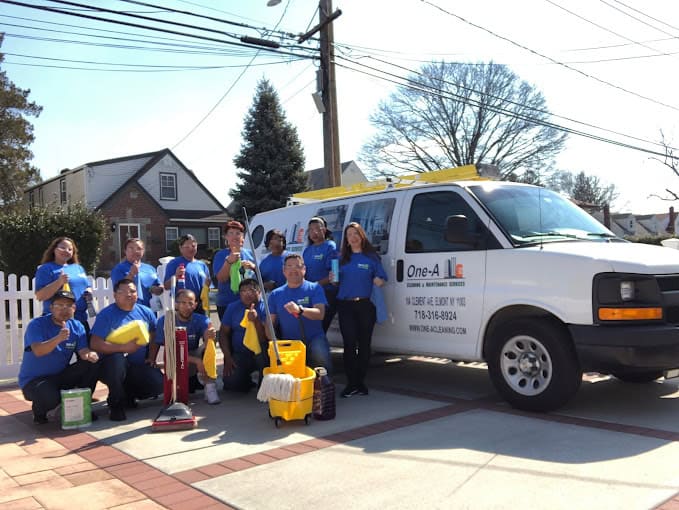
The products matter, but so does the expertise to use them correctly. If you’re looking for cleaning services that understand which products work for Nassau County properties and how to use them without causing damage, we at One A Cleaning and Maintenance bring that knowledge along with professional-grade supplies included in every service.
Article details:
Share:
Continue learning: