One cleans what you can see. The other gets everything else. Here's how to know which one your home or office actually needs right now.
Share:

Summary:
If you’ve ever hired a cleaner and walked away feeling like something was still off — like the place looked better but didn’t feel clean — there’s a good chance the issue wasn’t the cleaner. It was the service. Deep cleaning and regular cleaning are not the same thing, and using one when you actually need the other leads to exactly that kind of disappointment. Understanding the difference isn’t complicated, but it does matter. By the time you finish reading this, you’ll know which one fits your situation and why — so you can book with confidence instead of guessing.
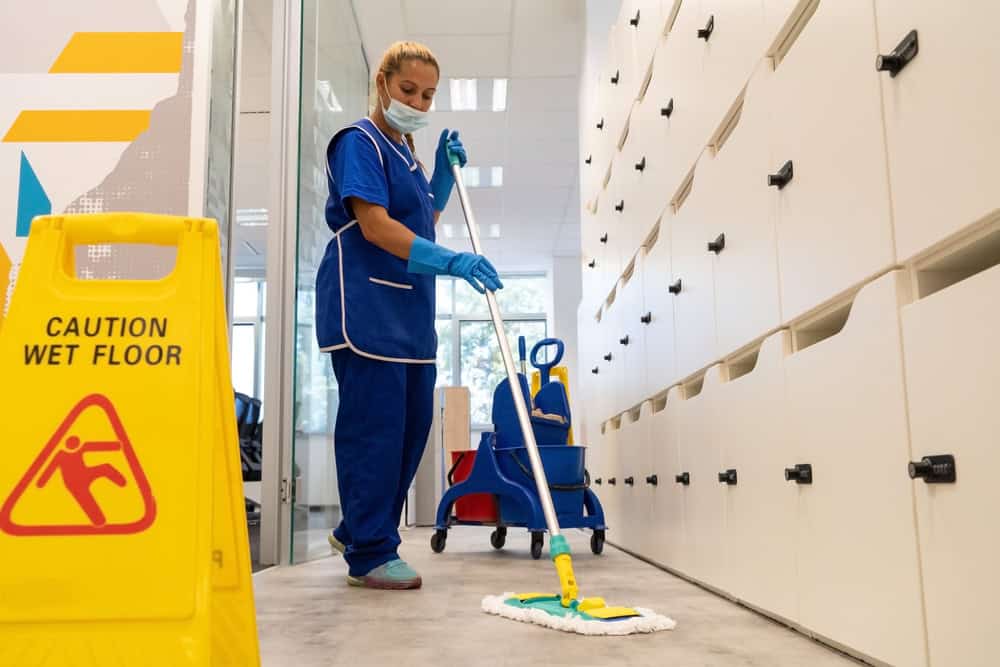
Regular cleaning — sometimes called standard or maintenance cleaning — is exactly what it sounds like. It keeps a space that’s already in decent shape looking and feeling fresh. Surfaces get wiped, floors get mopped, bathrooms get scrubbed, and everything visible gets attention. It’s the kind of cleaning that works well on a recurring schedule: weekly, biweekly, or monthly.
Deep cleaning goes further. It addresses the buildup that regular cleaning was never designed to touch — grout lines, the inside of appliances, cabinet interiors, baseboards, ceiling fans, light fixtures, and everything behind and underneath furniture. The distinction isn’t just about time or effort. It’s about scope. Regular cleaning maintains a clean space. Deep cleaning creates one.

This is the question most people should be asking before they book anything, and the answer goes room by room.
In the kitchen, deep cleaning means the inside of the oven, the refrigerator, the microwave, and the range hood — not just the counters and the stovetop. It means scrubbing grout between backsplash tiles, cleaning behind the refrigerator, and getting into cabinet interiors that haven’t been opened in months. Regular cleaning handles the visible surfaces. Deep cleaning handles what’s behind them.
In the bathroom, deep cleaning includes scrubbing grout lines in tile, descaling fixtures, cleaning behind the toilet, and getting into corners and edges that a standard wipe-down doesn’t reach. Over time, soap scum, mineral deposits, and mildew accumulate in places that look clean at a glance but aren’t. Regular cleaning keeps things presentable. Deep cleaning removes what’s actually there.
Throughout the rest of the home, deep cleaning covers baseboards, ceiling fans, window sills, light fixtures, and the areas behind and underneath furniture. These are the places that accumulate dust, pet dander, and allergens steadily over time — and they don’t get touched in a standard cleaning visit.
For commercial spaces, the distinction is equally important. An office that gets regular janitorial service still needs periodic deep cleaning to address high-touch surfaces, restroom buildup, breakroom grime, and areas that get overlooked in routine service. The difference matters whether you’re managing a home in Nassau County or a commercial building — and it’s something almost no one talks about when comparing these two services.
One more thing worth knowing: deep cleaning takes significantly longer than regular cleaning. A thorough deep clean of a full home can take eight hours or more, depending on the size and condition of the space. That’s not a flaw — it’s the point. The time is what makes it effective.
The clearest signal is whether a clean baseline has ever been established in your space. If you haven’t had professional cleaning in six months or more — or if you’ve never had it done at all — regular cleaning isn’t going to get you where you want to be. It’s designed to maintain a space that’s already clean, not to reset one that’s been accumulating buildup. Starting with regular cleaning in that situation means you’re maintaining a dirty baseline, which is exactly why the results feel disappointing.
A few situations where a deep clean is almost always the right call: you’re moving into a new home, you’re moving out and need the space left in good condition, you’ve just had construction or renovation work done, you haven’t had professional cleaning in several months, or you’re preparing for a significant event. Most cleaning professionals recommend scheduling a deep clean at least two to four times per year for an average household — and more frequently, around every three months, for homes with children or pets.
For Nassau County homeowners specifically, there are a few factors that push this need higher than average. The housing stock here skews older — many homes were built in the 1950s through the 1970s, and older tile, grout, and surfaces accumulate grime in ways that newer construction simply doesn’t. Add in Long Island’s seasonal allergen load — heavy spring pollen, summer humidity, salt air near the South Shore — and the case for periodic deep cleaning becomes less optional and more practical.
If you’re a business owner or property manager, the same logic applies. A commercial space that gets regular janitorial service but has never had a thorough deep clean is carrying buildup that routine visits can’t address. Scheduling a professional deep clean periodically — especially for high-traffic areas, restrooms, and breakrooms — is part of maintaining a genuinely clean environment, not just a presentable one.
The simplest way to think about it: if you’re not sure which one you need, you probably need a deep clean first. Once that baseline is established, regular maintenance cleaning is easy and effective.
Want live answers?
Connect with a One-A Cleaning and Maintenance expert for fast, friendly support.
Booking a professional deep clean is different from booking a standard cleaning visit, and knowing what to expect makes the whole experience better. The scope is broader, the time commitment is longer, and the result — when it’s done right — is a space that genuinely feels different, not just looks it.
A professional deep clean should follow a clear, room-by-room process that addresses both visible surfaces and the areas that typically get missed. We walk every client through exactly what’s included before you book. Clarity about scope is one of the most important things we focus on when we work with homeowners and businesses across Nassau County.

The honest answer is: it depends on what you’re comparing it to. If you’re comparing a deep clean to a regular cleaning visit, yes — a deep clean costs more. The scope is larger, the time is longer, and the labor is more intensive. That difference is real and it’s justified.
What it’s not worth comparing is the cost of a deep clean to the cost of continuing with regular cleaning when a deep clean is actually what the space needs. If your home hasn’t been properly reset in months, regular cleaning visits will feel like they’re barely keeping up — because they are. You’re paying for maintenance on a space that was never properly cleaned to begin with.
There’s also a health dimension that gets underplayed in most conversations about cleaning costs. The EPA has noted that poor indoor air quality carries significant costs in lost productivity and medical care. Deep cleaning removes allergens — dust mites, pet dander, mold spores, pollen — that accumulate in carpets, upholstery, and hard-to-reach surfaces over time. For households with children, allergy sufferers, or pets, that’s not a cosmetic benefit. It’s a meaningful one.
For Nassau County families — where spring pollen is heavy, where many homes have older carpeting and tile, and where long commutes mean less time for thorough home maintenance — the case for periodic deep cleaning is genuinely practical. It’s not about having an immaculate home. It’s about making sure the space you spend most of your time in isn’t quietly working against your health.
From a cost-to-outcome standpoint, a deep clean followed by regular maintenance visits is also the most efficient approach. Once the baseline is established, maintaining it is straightforward. The deep clean is the investment that makes everything after it more effective.
This part matters more than most people give it credit for. Booking a cleaning service — especially a deep clean, which involves extended access to your home or business — is a trust decision as much as a service decision. The quality of the work matters, but so does knowing the company you’re letting through your door.
A few things worth confirming before you book with anyone. First, make sure the company is licensed and insured. This isn’t a formality — it’s protection for you if something goes wrong. In a market where informal operations are common, a licensed and insured provider is a meaningful signal of professionalism. Second, look at their reviews. Not just the star rating, but the volume and recency. A company with a hundred or more Google reviews has a track record you can actually evaluate.
Third, ask what’s included. A trustworthy provider will walk you through their scope before you commit. If the answer is vague, that’s information. You want to know exactly what areas will be covered, whether supplies are included, and what happens if something doesn’t meet your expectations. A satisfaction guarantee isn’t just a marketing phrase — it tells you the company stands behind its work.
For homeowners and business owners in Nassau County, there’s also real value in working with a locally owned operation rather than a national franchise. Local ownership means the people doing the work have a direct stake in the outcome. The reputation being built or lost is theirs personally — not a corporate brand’s. That tends to produce a different level of care and accountability than a franchise model does.
We started One A Cleaning and Maintenance with a single van and a straightforward goal: do the work right and treat people well. We’re licensed and insured, we use eco-friendly cleaning solutions that are safe for families and pets, and we bring all supplies and materials — you don’t need to prepare anything. Our team serves both residential and commercial clients across Nassau County, and we tailor every cleaning plan to the actual space rather than applying a one-size-fits-all approach.
If you’ve made it this far, you already have a clearer picture than most people do when they search this question. Regular cleaning keeps a clean space clean. Deep cleaning resets a space that’s accumulated buildup — and it’s the right starting point for anyone hiring professional cleaners for the first time, returning after a gap, or dealing with a home or commercial space that needs more than surface-level attention.
For most Nassau County households and businesses, the answer is a deep clean first, followed by regular maintenance visits on a schedule that fits your life. That combination is more effective and more efficient than either service alone.
If you’re not sure which one fits your situation, that’s a quick conversation — not a complicated one. Reach out to One A Cleaning and Maintenance by text at 516-695-5649 and we’ll help you figure out exactly what your space needs before you commit to anything.
Article details:
Share:
Continue learning: