Not sure what a professional cleaning actually covers? This guide breaks it down room by room — so you know exactly what to expect.
Share:
Summary:
Most people clean their homes regularly. Counters get wiped, floors get swept, and the bathroom gets a once-over. But there’s a second layer — the grout lines, the cabinet tops, the inside of the oven, the baseboards that haven’t been touched since last spring — that rarely makes the weekly rotation. That gap between routine tidying and a genuinely thorough clean is exactly what a professional house cleaning checklist is designed to close. This guide covers what that checklist actually looks like, room by room, and explains the difference between a basic maintenance clean and a deep clean — so you know what you’re getting, or what you’re taking on.
A professional cleaning checklist isn’t just a to-do list — it’s an accountability document. It defines the scope of a visit so that nothing gets skipped and nothing is left to interpretation. When a cleaning team works from a checklist, you’re not hoping they remembered the bathroom mirror or the stovetop. It’s written down, it gets done.
The checklist is typically organized by room, with each section covering specific surfaces, fixtures, and tasks in a defined order — always working top to bottom so that dust and debris fall to surfaces that haven’t been cleaned yet. Here’s what a thorough, professional-standard checklist covers.
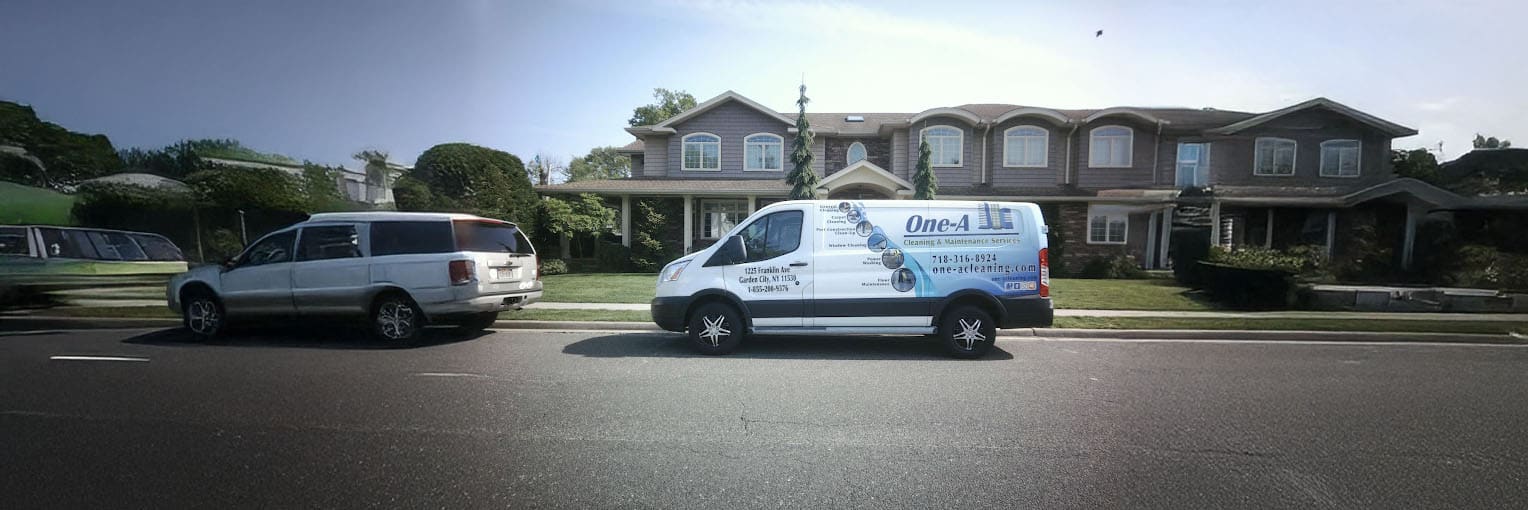
A standard cleaning visit — sometimes called a maintenance clean — is designed for homes that are already in decent shape and just need consistent upkeep. Think of it as the recurring baseline that keeps things from getting out of hand.
In the kitchen, that means wiping down exterior cabinet faces, cleaning countertops and the backsplash, wiping the stovetop surface, cleaning the outside of appliances, sanitizing the sink, and mopping the floor. It does not mean pulling the refrigerator out from the wall or scrubbing the inside of the oven — those fall into deep cleaning territory.
In bathrooms, a standard clean covers scrubbing the toilet inside and out, wiping down the sink and vanity, cleaning the mirror, wiping shower walls and the tub, mopping the floor, and emptying the trash. Grout scrubbing, descaling faucets, and cleaning tile caulk are typically deep clean tasks.
Bedrooms get dusted surfaces — nightstands, dressers, ceiling fan blades, and light fixtures — along with vacuuming or mopping floors, making beds if linens are left out, and wiping down any visible smudges on doors and light switches. Closet interiors, under-bed areas, and window tracks aren’t usually part of a standard visit.
Living areas follow a similar pattern: dust all horizontal surfaces, vacuum upholstered furniture if included, clean glass surfaces like coffee tables and TV screens, wipe down baseboards at a surface level, vacuum or mop floors, and empty trash. Deeper tasks like cleaning behind the entertainment center or washing throw pillows are outside the standard scope.
The value of a standard clean is consistency. Done on a regular schedule — weekly, bi-weekly, or monthly — it keeps the home at a level where nothing builds up into a bigger problem.
A deep clean goes into the areas that a standard visit doesn’t touch — and in most homes, those areas accumulate grime faster than people realize. It’s not that the home is dirty; it’s that certain surfaces just don’t get addressed in a routine clean.
In the kitchen, a deep clean adds cleaning inside the oven, wiping down the inside of the refrigerator, degreasing the range hood and filter, cleaning inside cabinets and drawers, scrubbing the sink basin and drain area, and wiping down the tops of cabinets where grease and dust collect. These aren’t glamorous tasks, but they make a real difference in how the kitchen actually feels.
Bathrooms get a more thorough pass too — scrubbing grout lines between tiles, descaling showerheads and faucets, cleaning behind the toilet and around the base, wiping down exhaust fans, and sanitizing all high-touch surfaces including towel bars, toilet flush handles, and cabinet pulls.
Bedrooms and living areas in a deep clean include cleaning inside closets, moving furniture to vacuum underneath, washing baseboards rather than just wiping them, cleaning window sills and tracks, and dusting areas like crown molding, ceiling fans, and vents that rarely get attention in a standard clean.
We recommend starting with a deep clean before moving to a recurring maintenance schedule. The deep clean establishes a true baseline. After that, a standard clean every two or four weeks keeps things at that level without needing to start from scratch each time.
For Nassau County homeowners, this matters more than it might in newer construction. A lot of homes here were built before 1980, which means tile grout, older appliances, and hardwood floors that need specific care. Long Island’s spring pollen season also means that dust and allergen buildup happens faster than in drier climates — particularly in homes near the water in communities like Point Lookout or Nassau Shores, where salt air adds another layer to the equation.
Want live answers?
Connect with a One-A Cleaning and Maintenance expert for fast, friendly support.
A printable housekeeping checklist is genuinely useful — whether you’re cleaning your own home or evaluating what a professional service should be doing for you. The act of writing tasks down forces a level of thoroughness that most people skip when they’re cleaning from memory.
The most effective format organizes tasks by room, then by surface type within each room — working from the ceiling down to the floor. That structure prevents the common mistake of mopping a floor and then knocking dust off a shelf onto it five minutes later.

Start with a full walkthrough of your home before you write anything down. Go room by room and look at every surface — not just the obvious ones. Check the top of the refrigerator, the inside of the microwave, the baseboards in the hallway, the window tracks in the bedroom. Whatever you find is what goes on the list.
Once you have a complete inventory, divide it into two columns: tasks that need to happen every visit, and tasks that only need to happen monthly or seasonally. Wiping countertops goes in the first column. Cleaning inside the oven goes in the second. This keeps the weekly checklist manageable without letting the deeper tasks slide indefinitely.
For each room, write tasks in order from top to bottom. Dust ceiling fans and light fixtures first. Then shelves and furniture surfaces. Then countertops and appliances. Floors last. This isn’t just a preference — it’s the most efficient sequence, and it’s the same order professional cleaners follow.
The kitchen and bathrooms will have the longest lists, which makes sense — they’re the most used rooms and the ones where bacteria and buildup are most likely to cause real problems. Don’t skip the small things in those rooms: cabinet handles, faucet bases, toilet hinges, and the area behind the toilet are easy to overlook but matter for actual sanitation.
For Nassau County homes specifically, add a seasonal section to your checklist. Spring is pollen season on Long Island, and that means extra attention to window sills, air vents, and any surface near an exterior door. Homes in communities like Garden City, Westbury, and Hempstead that back up to lawns and mature trees will notice this more than apartment dwellers. If you have pets — and a lot of families in Nassau County do — add a pet-hair section covering upholstered furniture, rugs, and any fabric surfaces your animals use regularly.
The honest reality is that a complete checklist for a three-bedroom home is substantial. Most people get through it once, feel good about the result, and then find the list sitting untouched three weeks later. That’s not a personal failing — it’s just a time problem. Between work, commuting, and everything else, there are only so many hours in a week.
There’s a moment that happens when you’re working through a thorough cleaning checklist — somewhere between scrubbing the grout in the second bathroom and realizing you still haven’t gotten to the baseboards — where the math stops adding up. The checklist isn’t wrong. The tasks are all legitimate. It’s just a lot of hours for one person to absorb on a weekend.
That’s the most honest argument for professional cleaning: not that you can’t do it, but that you probably shouldn’t have to. Time has real value, and spending six or seven hours on a deep clean is a significant trade-off, especially if you’re already managing a full week of work and a commute.
For families in Nassau County — particularly those commuting into New York City on the LIRR — the time pressure is real. A round trip to Midtown from Massapequa or Westbury can run close to three hours on a given day. Add a full workday to that, and the idea of coming home to tackle a room-by-room deep clean on Saturday starts to feel less like a plan and more like a punishment.
What we provide isn’t just labor. It’s consistency. The same tasks, completed the same way, every visit — so you’re not starting from scratch each time and not discovering that something was missed after the team has already left. When we work from a professional checklist, every item gets checked off before we leave. That’s how we’re able to stand behind our work: if something on the list wasn’t done to your standard, we come back and make it right at no cost.
We bring all supplies and equipment — eco-friendly cleaning solutions that are safe for households with children, pets, and anyone with sensitivities. Nothing harsh, nothing that lingers on surfaces where your family actually lives. That’s built into how we clean, not an add-on you have to request.
A good cleaning checklist does two things at once: it shows you exactly what a thorough clean requires, and it makes the gap between “surface tidy” and “actually clean” very visible. Both of those things are useful, whether you’re cleaning your own home or deciding whether to bring in help.
The room-by-room breakdown in this guide reflects what professional cleaning actually covers — the tasks that matter for a genuinely clean, healthy living space, not just one that looks presentable at a glance. Use it as a reference, print it out, or use it as a benchmark when you’re evaluating what any cleaning service should be doing for you.
If you’re in Nassau County and want to talk through what a professional visit would look like for your specific home, One A Cleaning and Maintenance is easy to reach — text or call 516-695-5649 and someone will get back to you with availability and a straightforward quote.
Article details:
Share:
Continue learning: