Not all commercial spaces clean the same way. Here's what separates gym cleaning from retail cleaning — and why getting it wrong costs more than you'd think.
Share:
Summary:
Most business owners think about cleaning the same way: hire someone reliable, make sure the place looks good, and move on. That works fine until you realize that “looks good” and “actually clean” are two very different things — especially when you’re running a gym or a retail shop.
These two facility types get lumped together under “commercial cleaning” all the time. But the protocols, the products, the frequency, and the consequences of cutting corners are completely different. If you’ve ever wondered whether your current cleaning setup is actually right for your space, this is worth a few minutes of your time.
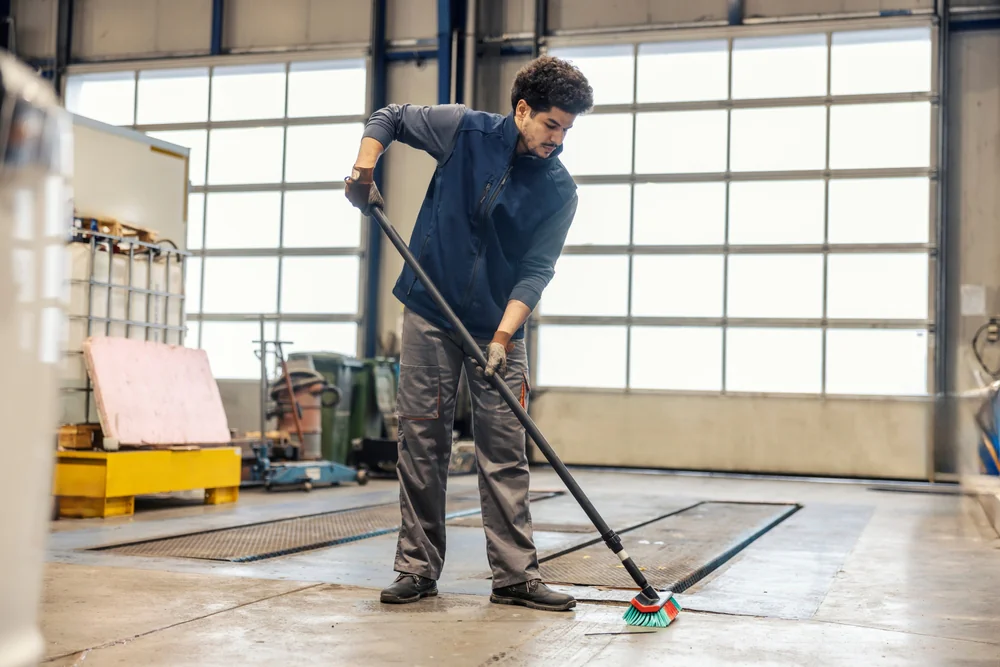
Gym cleaning isn’t harder than other commercial cleaning — it’s just different in ways that matter a lot. The contamination risks are specific, the surfaces require particular products, and the window for getting it done is narrow. Most gyms need cleaning before the first member walks in or after the last one leaves, which means the crew has to be efficient, thorough, and familiar with the environment.
The bigger issue is that a gym environment generates contamination that a general office cleaner isn’t trained to handle. Sweat, skin contact, shared equipment, and humid locker rooms create a completely different set of conditions than a carpeted office suite. If the person cleaning your gym is using the same approach they use on a law office, you’re not getting what you’re paying for.
A lot of gym owners assume that putting spray bottles and paper towels near the equipment handles the hygiene side of things. It doesn’t. A 2020 study published in the Journal of Environmental Health found MRSA-positive samples on gym surfaces in facilities that already provided member-accessible wipe stations. The wipe stations help, but they don’t come close to replacing professional disinfection.
Here’s why that matters more than it might seem. MRSA — methicillin-resistant Staphylococcus aureus — is a bacterial infection that spreads easily through skin contact with contaminated surfaces. The CDC has documented multiple clusters of gym-associated transmission where shared surfaces and inadequate disinfection were the primary factors. That’s not a scare statistic — it’s a liability reality for any gym owner who hasn’t thought through their cleaning protocol.
What makes it more complicated is that the contamination isn’t always where you’d expect it. Research from NASM found that weight machines and benches tend to harbor more bacterial contamination than cardio equipment — which is the opposite of where most gym operators focus their cleaning attention. Treadmill decks get wiped down religiously while the bench press goes untouched. We structure our gym cleaning work to account for this, prioritizing the surfaces that actually carry the highest risk.
Daily disinfection of all member-contact equipment is the industry standard — not weekly, not after it starts to smell. MRSA and similar pathogens can survive on surfaces for days. A cleaning schedule that doesn’t account for that isn’t really a cleaning schedule; it’s a hope.
There’s also the rubber flooring question. Gym rubber flooring requires pH-neutral cleaners specifically. Harsh chemicals — the kind that work fine on tile or sealed concrete — can degrade rubber over time, compromise the flooring’s performance, and in some cases void equipment warranties. This is the kind of thing a generalist cleaner won’t know unless they’ve worked in gym environments before.
If there’s one area where gym cleaning either earns or destroys member trust, it’s the locker room. Members can overlook a smudge on a mirror. They won’t overlook a locker room that smells, has visible mold around the grout, or feels like it hasn’t been scrubbed in a week.
Locker rooms and shower areas are the highest-risk zones in any fitness facility for fungal growth — athlete’s foot, ringworm, and similar infections thrive in warm, damp, high-traffic environments. These spaces need more than a mop and a spray. They need specific products, specific frequencies, and attention to the surfaces that stay wet longest: grout lines, drain surrounds, bench surfaces, and shower floors.
Odor management is its own discipline. The persistent gym smell that members complain about in reviews isn’t just sweat — it’s bacteria breaking down organic matter on surfaces that weren’t fully disinfected. You can mask it temporarily with air fresheners, but the only way to actually address it is to eliminate the source through consistent, thorough professional cleaning. Once a gym develops a reputation for smell, it’s very hard to undo.
OSHA has something to say about all of this. Commercial cleaning operations in fitness facilities are subject to specific standards covering hazard communication, sanitation, and personal protective equipment. Violations carry maximum penalties of $16,550 per citation as of early 2026, and repeated violations can escalate from there. A cleaning provider who doesn’t operate with documented protocols and compliant practices isn’t just doing subpar work — they’re a liability exposure for your business.
Want live answers?
Connect with a One-A Cleaning and Maintenance expert for fast, friendly support.
Retail cleaning has its own logic. The contamination risks are lower than a gym, but the presentation stakes are just as high — and the cleaning demands shift based on foot traffic, product type, and store layout in ways that a one-size-fits-all approach can’t accommodate.
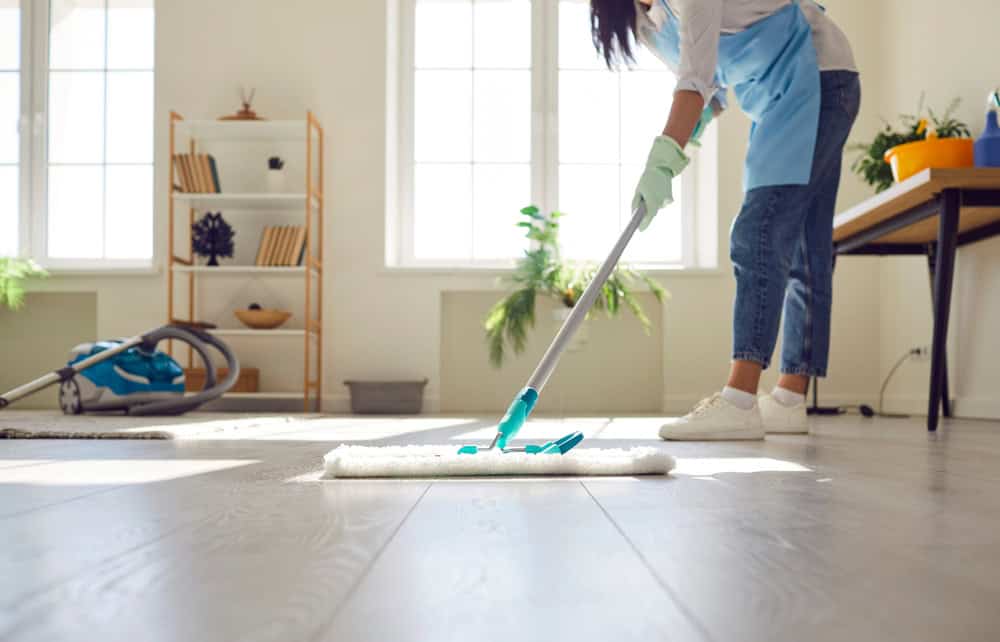
The core of retail cleaning is floor care. High-traffic retail floors degrade faster than almost any other commercial surface, and how they look directly affects how customers perceive the store. A sticky tile floor near the entrance, a carpet that’s gone gray from foot traffic, or hardwood that’s lost its finish — these things signal neglect, even if the rest of the store is spotless.
If your retail space has carpet — in a fitting room, a back office, a lounge area, or across the sales floor — routine vacuuming will only take you so far. A commercial carpet steam cleaner goes further, using extremely hot water to loosen embedded dirt, kill bacteria, eliminate dust mites, and address allergens that have worked their way deep into the fibers. Because the water is vaporized in the process, drying time is faster than traditional wet extraction, which matters when you’re working in a space that needs to be open for business.
The difference between a commercial-grade steam clean and what a consumer machine can do is significant. Commercial equipment operates at higher temperatures and pressures, which means it actually sanitizes rather than just cleaning the surface appearance. For a retail space that sees consistent foot traffic, periodic professional steam cleaning is what keeps carpet looking and functioning the way it should — and it extends the life of the flooring, which is a real cost consideration for any business owner managing a physical space.
It’s worth knowing when you actually need it versus when routine maintenance is enough. Light-traffic carpet in a back office might only need a professional clean once or twice a year. A carpeted retail floor in a high-footfall store might need it quarterly, or after any period of unusually heavy traffic. The right frequency depends on your specific space, not a generic schedule.
We carry this kind of floor care into our commercial cleaning work because we’ve seen what happens when it’s skipped. Carpet that looks presentable from a distance can harbor significant contamination at the fiber level. For retail businesses where customer experience drives repeat visits, that matters.
When retail business owners start evaluating carpet cleaning options, the question usually comes down to this: do you rent a machine and do it yourself, hire a dedicated carpet cleaning company, or work with a full-service commercial cleaner who handles it as part of a broader maintenance plan?
The DIY route is almost never the right answer for a commercial space. Consumer-grade machines don’t generate the heat or pressure needed to actually sanitize commercial carpet, and the time investment for a business owner or manager is rarely worth it. You end up with carpet that looks slightly better but hasn’t been properly cleaned at the fiber level.
A dedicated carpet cleaning company can do the job well, but it creates a coordination problem. Now you have a separate vendor, a separate schedule, and a separate relationship to manage — on top of your regular cleaning service. When the carpet cleaning is handled by the same team that knows your space, your hours, and your standards, the whole thing runs more smoothly.
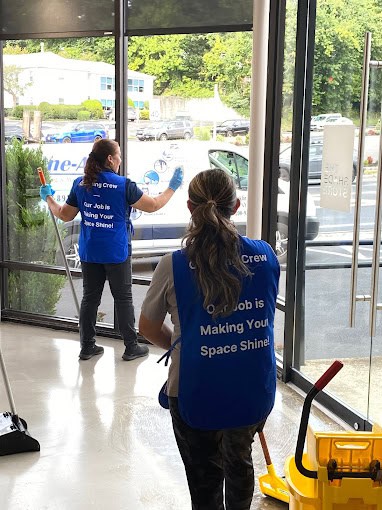
The best commercial carpet cleaner for a retail environment isn’t just about the equipment — it’s about the person operating it knowing your space. They should understand your flooring type, know which areas take the heaviest traffic, and be able to work around your operating hours without disrupting your business. That kind of familiarity comes from an ongoing relationship with a cleaning partner who’s been in your space consistently, not a one-time vendor who shows up, does the job, and disappears.
For Nassau County retailers — whether you’re running a shop in Westbury, a boutique in Garden City, or a storefront in Hempstead — that kind of continuity matters. The cleaning company that already knows your space is the one best positioned to keep it looking right, because they’ve seen it at its best and its worst.
The core question isn’t really “gym cleaning or retail cleaning.” It’s whether the company you’re considering actually understands what your specific space requires — the surfaces, the contamination risks, the scheduling constraints, and the standards your customers or members hold you to.
A gym owner who hires a generalist cleaner and a retail manager who skips professional floor care are making the same mistake: assuming that “commercial cleaning” is a single thing. It isn’t. The protocols are different, the products are different, and the consequences of getting it wrong range from bad reviews to real liability exposure.
If you’re running a business in Nassau County and want a cleaning service that’s been doing this since 2007, knows the difference between a gym and a retail shop, and will actually show up consistently — reach out to One A Cleaning and Maintenance. Text us at 516-695-5649 for pricing and availability. We’ll figure out what your space actually needs.
Article details:
Share:
Continue learning: