Moving into a Nassau County home comes with a narrow window to get it truly clean. Here's how to make the most of it before life takes over.
Share:
Summary:
There’s a window that opens the moment you get your keys — and closes the day the couch goes against the wall. Before the furniture is in, before the boxes are stacked in every corner, every surface in your new home is completely accessible. Cabinet interiors, baseboards, behind the stove, under the bathroom vanity — all of it is right there, waiting. Most new Nassau County homeowners let that window close without realizing it existed. This guide is about making sure you don’t. Here’s what to do, why it matters specifically on Long Island, and how to set yourself up so cleaning never becomes the thing that eats your weekends.
Nassau County’s housing stock is older than most buyers expect. A significant portion of the homes changing hands right now were built between the late 1940s and the mid-1970s — which means new owners are frequently inheriting decades of accumulated buildup in places that don’t show up during a walkthrough. Grout lines that haven’t been scrubbed in years. Cabinet interiors coated in a film of old cooking grease. HVAC vents packed with dust from multiple previous families.
This isn’t a knock on the sellers. It’s just the reality of older homes. A surface-level cleaning at closing doesn’t reach the places that actually need attention. That’s why what you do in the first 30 days matters more than anything that comes after — because you’ll never have better access to this house than you do right now.
Think about what becomes impossible once the furniture is in. You can’t move a full bookcase to clean the wall behind it. You’re not pulling the refrigerator out once it’s loaded with groceries. The area under the bathroom vanity becomes a storage zone within days of moving in. These aren’t complaints — they’re just how homes work once people actually live in them.
The days between receiving your keys and moving your belongings in are genuinely different. Every room is open. Every corner is reachable. A thorough professional clean during this window — inside every cabinet, along every baseboard, behind every appliance position — delivers a level of completeness that simply isn’t possible once the home is occupied.
For buyers of Nassau County’s older homes, this matters even more. A house that was built in 1962 in Levittown or Westbury has had multiple owners, multiple cleaning habits, and multiple decades of accumulation in the places no one thinks to check. The kitchen cabinet where the previous owner stored spices for 20 years. The bathroom tile grout that was last properly scrubbed before you were born. The basement utility area that’s never been touched.
A professional deep clean in this window resets all of it — and it’s the one opportunity you’ll have to start truly fresh. There’s also an emotional dimension to this that’s worth naming. Moving into a new home is a fresh start. Most people feel it, even if they don’t say it out loud. Having the space genuinely, thoroughly clean before your things go in makes it feel like yours in a way that a surface wipe-down never quite achieves.
The practical takeaway: if you’re closing on a Nassau County home this summer, schedule the cleaning before the movers arrive. Even a day or two of lead time makes a meaningful difference. Once the furniture is in, you’ve permanently closed the window on certain areas — and you’ll know it every time you move something and see what’s underneath.
Here’s something most real estate agents won’t bring up: you have no idea how the previous owners cleaned this house. You don’t know if they had pets. You don’t know if they were diligent about bathrooms or if the kitchen was scrubbed weekly or once a year. You don’t know what’s been living in the carpet fibers, the upholstery, or the ductwork.
That’s not meant to alarm you. It’s just an honest description of what you’re working with. Even a home that looks clean — freshly painted, staged well, floors mopped for the open house — can carry allergens, pet dander, mold spores in grout, and bacteria in the kitchen that no amount of visual inspection will reveal.
For Nassau County homeowners with children or pets, this matters a lot. Your kids are going to be on those floors. Your dog is going to be sniffing every corner. The last thing you want is to establish your family’s routines in a space that hasn’t been properly reset.
Eco-friendly, professional-grade cleaning during this window addresses the unknown quantity of the previous occupants — not with paranoia, but with practical thoroughness. This is also where the difference between a professional clean and a DIY effort becomes most apparent. It’s not about effort or intention. It’s about equipment and access. HEPA-filter vacuums capture allergen particles that standard vacuums redistribute into the air. Microfiber cloths trap debris rather than spreading it. Professional-grade solutions reach grout and tile in ways that consumer products rarely do. When you’re trying to genuinely reset a home that belonged to someone else, those differences are meaningful.
Want live answers?
Connect with a One-A Cleaning and Maintenance expert for fast, friendly support.
Nassau County’s environment is genuinely different from most suburban markets — and it affects how homes need to be maintained in ways that aren’t obvious until you’ve lived here for a season or two. The combination of coastal proximity, a nearly year-round pollen calendar, and salt air creates cleaning challenges that no generic guide written for a national audience will ever address properly.
If you’re coming from an apartment in the city or relocating from a drier inland market, the environmental factors here will catch you off guard. Understanding them from day one means you can set up a cleaning routine that actually matches what your home is dealing with — rather than discovering the problems after they’ve had time to develop.
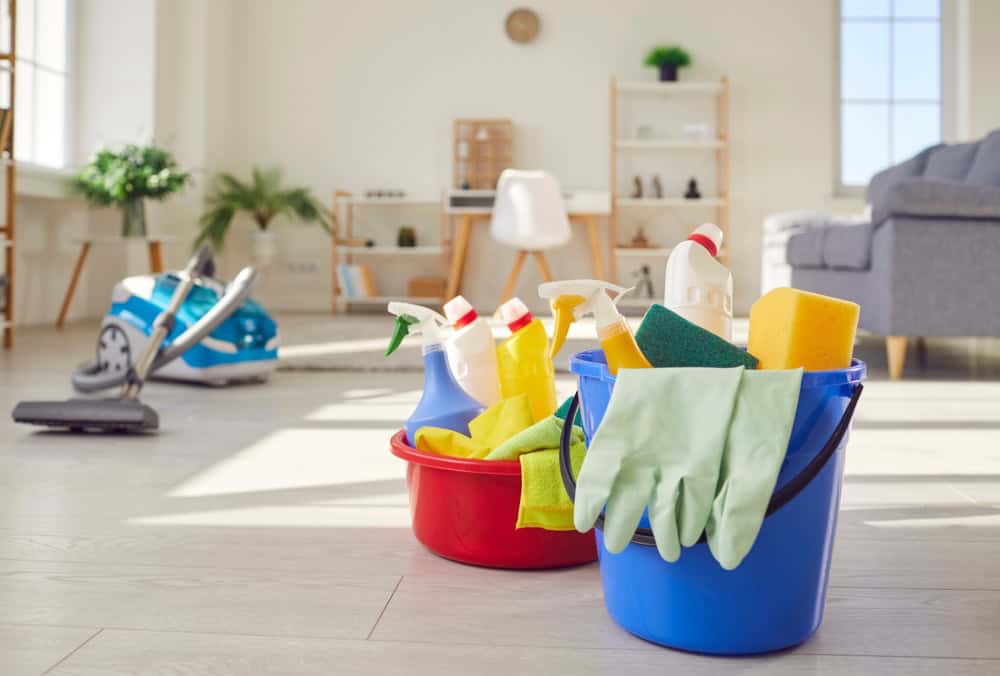
Long Island’s geography puts Nassau County in a unique position. The south shore communities — Long Beach, Oceanside, Freeport, Massapequa — sit close enough to the Atlantic that salt-laden air is a genuine factor. It infiltrates through windows, settles on surfaces, and accelerates the buildup of grime on glass, fixtures, and even interior surfaces near windows and vents. You’ll notice it on your windows first, but it doesn’t stop there.
The north shore communities — Port Washington, Great Neck, Sea Cliff — face Long Island Sound’s humidity patterns, which promote mold and mildew growth in bathrooms, basements, and around window frames at rates that drier climates simply don’t experience. If your new home has a basement, it’s worth treating it as a priority area from the start, not an afterthought.
Coastal humidity doesn’t just affect how things look — it affects how they smell, how surfaces age, and how quickly problem areas develop if they’re not addressed regularly. A bathroom that gets cleaned once a month in Phoenix might need attention every two weeks in a south shore Nassau County home. That’s not an exaggeration. It’s just what the environment requires.
Setting up a cleaning schedule that accounts for these factors from the beginning — rather than adjusting reactively after mildew appears in the grout or salt film builds up on the windows — is one of the most practical things a new Nassau County homeowner can do. The first 30 days are when those habits form. Getting professional guidance on frequency and focus areas during that window pays dividends for years.
New homes — even older ones that have been renovated — come with a chemical environment that most buyers don’t think about. Fresh paint off-gases volatile organic compounds for weeks after application. New flooring materials, adhesives, and sealants do the same. If the previous owners renovated before selling, you may be moving into a space that’s still releasing compounds into the air.
Adding harsh chemical cleaning products to that environment compounds the indoor air quality issue. It’s one of the reasons eco-friendly cleaning solutions matter more in a new home than they do in a space you’ve lived in for years — you’re already managing a higher chemical load, and you don’t need to add to it.
For Nassau County families with young children or pets, this is especially relevant. Kids spend time on floors. Pets lick surfaces. The cleaning products used in a home become part of the environment those family members are living in. Eco-friendly, professional-grade solutions — the kind that actually deliver thorough results rather than just smelling like something natural — are the right choice for this specific moment.
There’s also a Long Island-specific angle here. Nassau County’s pollen season runs from roughly March through September, covering tree pollen in April and May, grass pollen through June and July, and ragweed into September. For allergy-sensitive households, that’s nearly nine months of allergen infiltration. HEPA-filter vacuuming and professional surface cleaning aren’t seasonal responses — they’re a year-round necessity in this environment. Starting that routine with eco-friendly products means you’re not trading one problem (allergens) for another (chemical exposure). You’re actually solving both.
The practical upshot is that eco-friendly cleaning in a new Nassau County home isn’t a lifestyle preference. It’s a sensible response to the specific environment you’re moving into — a new home with its own chemical history, in a region with a demanding allergen calendar, where the people you care most about are going to spend most of their time.
The first 30 days in a new home are the easiest time to establish habits — and the hardest time to find the bandwidth to do it. You’re managing a hundred competing priorities, and cleaning is the one that keeps getting pushed to next weekend.
The most reliable approach is to start with a professional deep clean before or immediately after move-in, then build a recurring schedule around your actual life — not an idealized version of it. Whether that’s weekly, bi-weekly, or monthly depends on your household size, your commute, and how Nassau County’s environment is affecting your specific home. A LIRR commuter getting home at 7pm has different bandwidth than someone working locally with flexible hours. The schedule should reflect that reality.
If you’re a new Nassau County homeowner trying to figure out where to start, we’re here to help. Text 516-695-5649 for pricing and availability — no forms, no phone trees, just a straightforward answer about what makes sense for your home.
Article details:
Share:
Continue learning: