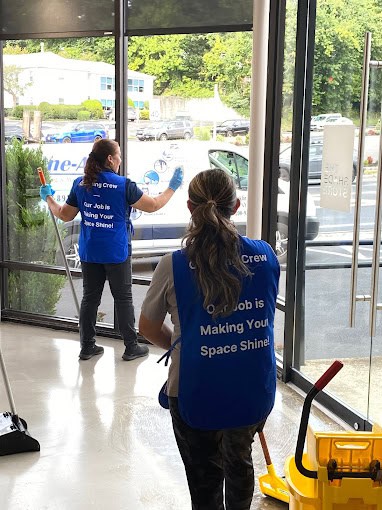
First time hiring a maid service? Here's exactly what to expect — and what to ask — before you book anyone.
Share:

Summary:
If you’ve never hired a maid service before, the process can feel murkier than it should be. What exactly gets cleaned? How is a “regular visit” different from a “deep clean”? And how do you know whether the company you’re about to let into your home is actually trustworthy?
These are fair questions — and most cleaning company websites don’t answer them directly. They list services, show stock photos of sparkling kitchens, and tell you to call for a quote. That’s not particularly helpful when you’re trying to make a confident decision.
So here’s a straightforward breakdown of what our maid services typically include, what they don’t, and three questions that will tell you a lot about any company you’re considering.
A standard recurring maid cleaning service covers the surfaces, floors, and fixtures you interact with every day. Think of it as a thorough maintenance clean — the kind that keeps your home consistently livable without letting things build up over time.
In a typical visit, you can expect bathrooms to be scrubbed and sanitized, kitchen surfaces wiped down, floors swept and mopped, carpets vacuumed, and common areas dusted. High-touch surfaces — light switches, door handles, countertops — get attention too. It’s not a light pass. A good recurring clean takes real time and leaves your home noticeably different from when our team arrived.
What it’s not is a renovation. The areas that require intensive, detailed work — inside the oven, behind the refrigerator, inside cabinets, grout lines — those belong to a different category of service entirely.

This is where most of the confusion lives, and it’s worth being direct about it.
A regular maid service visit is designed to maintain a home that’s already in reasonably good shape. It covers what’s visible and accessible — surfaces, floors, fixtures, and the areas of your home you use daily. It’s consistent, reliable, and built for frequency. Whether you’re scheduling weekly, biweekly, or monthly visits, the goal is the same: keep things from slipping.
A deep clean is structurally different. It’s a more intensive service that reaches the places a standard visit doesn’t touch. Inside the oven. Inside the refrigerator. Behind large appliances. Inside cabinets. Grout lines in tile. Baseboards scrubbed rather than just wiped. It takes significantly longer and costs more — because it’s doing significantly more.
We recommend starting with a deep clean before beginning recurring service. The logic is simple: if the baseline isn’t clean, a maintenance visit can only do so much. Getting the home to a thorough starting point first means every visit after that actually maintains something — rather than playing catch-up.
This matters more than people expect. Homes deal with real seasonal factors — heavy pollen in spring, humidity through the summer, and salt air that settles on surfaces near the shore. A deep clean at the start of a recurring plan accounts for that kind of accumulated buildup. After that, regular visits keep things where they should be.
The short version: if your home hasn’t had a professional clean in a while, or if you’re starting service for the first time, ask about a deep clean first. It sets the right foundation and makes every visit after that more effective.
Knowing what’s excluded is just as useful as knowing what’s covered — and this is the part that tends to surprise first-time clients the most.
Standard housekeeping services, in most cases, do not include the inside of ovens or refrigerators unless specifically requested. Exterior windows are typically out of scope for a regular visit. Laundry — washing, folding, or putting away — is generally not part of a maid service, which is one of the key distinctions between a maid service and a personal housekeeper. Organizing clutter, moving furniture, or handling items that require special handling (antiques, fragile collections, certain electronics) are also outside what a standard visit covers.
This isn’t about cutting corners. It’s about scope. A recurring maid service is built around a consistent, repeatable process that can be performed efficiently and thoroughly on a regular schedule. The moment you start adding open-ended tasks — “can you also sort through the hall closet?” — you’re moving into a different kind of service.
The practical takeaway: if there’s something specific you want handled on a recurring basis that falls outside the standard scope, ask about it upfront. We’ll either accommodate it, explain why we can’t, or point you toward an add-on or upgrade. What you don’t want is to assume something is included and then feel let down when it isn’t.
We’d rather have that conversation before the first visit than after it. Knowing what you actually want out of a cleaning plan is how we build something that works for your home — not just a generic checklist that may or may not match your priorities.
Want live answers?
Connect with a One-A Cleaning and Maintenance expert for fast, friendly support.
Hiring a cleaning service means letting people into your home — often while you’re not there. That’s not a small thing. Before you commit to anyone, there are three questions worth asking directly. Not because you should expect problems, but because the answers will tell you quickly whether you’re dealing with a professional operation or something more informal.
A company that handles these questions clearly and confidently is one worth trusting. One that hedges, deflects, or can’t answer them at all is telling you something important.
This is the first question to ask, and it’s non-negotiable.
Licensed and insured isn’t just a credential — it’s a practical protection for you as a homeowner. If a cleaner is injured while working in your home and the company isn’t carrying proper workers’ compensation coverage, you could be held liable. In New York State, workers’ compensation insurance is legally required for any company with employees. If a company can’t confirm they carry it, that’s a serious gap.
Insurance also covers property damage. Accidents happen — something gets knocked over, a surface gets scratched. A properly insured company handles that. An uninsured one leaves you absorbing the cost.
Background checks are the other piece. Letting someone into your home requires a baseline level of trust, and professional companies screen their staff before sending them anywhere. Ask specifically whether background checks are part of their hiring process — not just whether they “vet” employees, which is vague enough to mean almost anything.
We’re licensed and insured, and we’re happy to confirm that directly. It’s not a box we check — it’s how we operate.
These are actually two questions folded into one, and both matter.
Asking what’s included forces the company to be specific. A confident, professional operation will walk you through what a standard visit covers — which rooms, which tasks, which surfaces — without being evasive. If a company can’t tell you clearly what you’re getting, that ambiguity will show up in the service itself.
Asking what’s not included is equally important, for the reasons covered earlier. You want to know before the first visit, not after.
The satisfaction guarantee question is about accountability. What happens if you come home and something wasn’t done to the standard you expected? A reputable company has a clear answer — typically a re-clean within 24 hours at no additional cost. That kind of policy only exists when a company is confident in their work and willing to stand behind it.
There’s a third layer here that doesn’t get asked enough: do you send the same cleaner each visit? Consistency matters more than people realize. When the same person cleans your home regularly, they learn it — they know where the dust collects, which surfaces need extra attention, and how your household is organized. A rotating cast of different cleaners means starting from scratch every time, which makes it harder to build toward the kind of results you’re actually looking for.
Families tend to have demanding schedules. The last thing you need is to spend time re-explaining your home to a different cleaner every other week. Consistency isn’t a luxury — it’s part of what makes recurring service worth it.
Ask these questions plainly. The answers will do the work of separating the companies worth hiring from the ones that aren’t.
The right maid service isn’t the one with the flashiest website or the lowest first-visit price. It’s the one that’s honest about what they do, can answer your questions without hedging, and shows up consistently — visit after visit — and delivers what they said they would.
Start by understanding the scope: what a recurring clean covers, what a deep clean adds, and where the boundaries are. Then ask the questions that matter — licensing, background checks, what’s included, what happens when something isn’t right. Those conversations happen before you book, not after something goes wrong.
We’ve been doing this work since 2007. We started with a single van and built this business one job at a time. Text us at 516-695-5649 and we’ll put together a plan that actually fits your home — not a generic package that may or may not match what you need.
Article details:
Share:
Continue learning: