After a renovation, the mess left behind isn't something a standard cleaning crew is built to handle. Here's what actually makes a construction cleaning crew different.
Share:
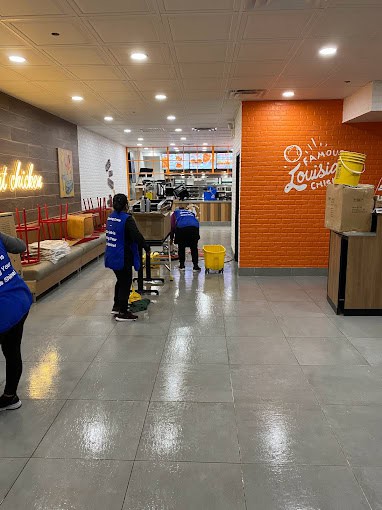
Summary:
The contractor is done. The new cabinets are in, the tile is set, and the space finally looks the way you imagined it. Then you walk through and realize the dust is everywhere — on the countertops, inside the cabinets, coating the windowsills, sitting in the vents.
You call your regular cleaning service. They come, they do their best, and it still doesn’t feel right. That’s not a knock on them. It’s just that post-renovation mess is a different category of problem entirely, and it needs a different type of crew. Here’s what that actually means.
A cleaning service after renovation isn’t a more thorough version of your regular house cleaning. It’s a categorically different service, designed for a categorically different kind of mess.
Construction sites produce debris that standard cleaning equipment simply isn’t built to handle — fine drywall dust, silica particles from tile and masonry work, grout haze on new floors, adhesive residue on windows, paint overspray on fixtures, and protective films still stuck to new appliances.
Standard cleaning crews use general-purpose products and residential vacuums. Those tools work well for everyday dirt. But construction dust — especially the fine particulate from drywall and concrete — requires HEPA filtration to actually capture. Without it, you’re not removing the dust. You’re moving it.
We bring industrial-grade equipment to every post-renovation job because the work demands it, not as a selling point, but as a basic requirement. A quality construction cleaning crew uses HEPA-filter vacuums specifically because that’s what the job requires to actually remove fine particulate rather than redistribute it.
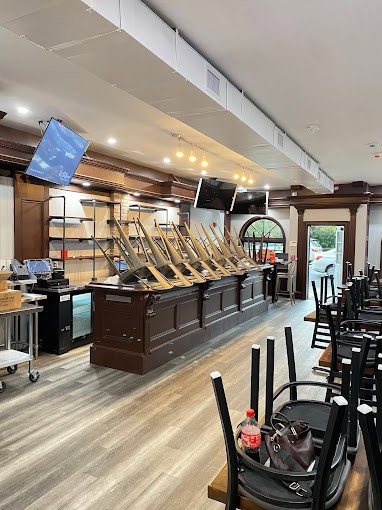
This is the scenario nobody warns you about. You’ve just spent real money on a kitchen renovation or a bathroom remodel. The contractor sweeps up the big stuff and calls it done. You bring in your regular maid service — people you trust, people who do good work — and they go through their usual routine.
A week later, you’re still finding dust on surfaces they cleaned. The grout on your new tile still looks hazy. The windows have a film that won’t wipe off. And if your central air was running during the renovation, dust has worked its way into the duct system and is quietly recirculating every time the heat or AC kicks on.
None of that is the cleaning crew’s fault. They used the right tools for the wrong job. A standard residential vacuum doesn’t have the filtration capacity to capture fine construction particulate — it pulls the dust up and exhausts a portion of it back into the air. General-purpose cleaners that work perfectly on everyday surfaces can etch new tile grout, strip fresh paint finishes, or leave residue on natural stone countertops.
The crew doesn’t know which products are safe on your specific new surfaces because that’s not their area — and it shouldn’t be expected to be. We approach post-renovation work differently from the start. We work top to bottom — ceilings, light fixtures, and walls before floors — so debris doesn’t fall onto already-cleaned surfaces.
We use HEPA-filter vacuums that capture particles down to 0.3 microns, which is what’s required to actually remove fine drywall and silica dust rather than redistribute it. We know that grout haze on new tile requires a specific remover applied at a specific time, and that the wrong product used too early can permanently damage the surface. We clean HVAC vents and registers as part of the scope, not as an afterthought.
The difference isn’t effort. It’s training, equipment, and knowing what you’re actually dealing with.
A lot of homeowners searching for help after a renovation land on “deep cleaning” as the answer. It sounds right — more thorough, more intensive, exactly what you’d need after a major project. But deep cleaning and post-construction cleaning are not the same service, and understanding the difference can save you from a frustrating and expensive mistake.
Deep cleaning is an intensive version of standard house cleaning. It goes further than a regular visit — inside cabinets, behind appliances, baseboards, ceiling fans, the grout between existing tiles. It’s the right call when a space hasn’t been cleaned thoroughly in a while, or when you’re moving into a home that needs a full reset. It uses the same general equipment and products as standard cleaning, just applied more carefully and in more places.
Post-construction cleaning — what we’re trained and equipped to do — exists to handle debris and residue that deep cleaning products and techniques aren’t designed for. Construction adhesive on a window frame doesn’t respond to an all-purpose spray. Grout haze on new porcelain tile requires a specific haze remover, not a scrub brush. The fine silica dust that settles into every corner of a renovation zone requires HEPA filtration, not a microfiber cloth and some elbow grease.
There’s also a timing element that most people don’t know about. Airborne construction dust continues to settle for 24 to 48 hours after work stops. Scheduling a cleaning the same day the contractor finishes means the detail work gets re-coated with settling dust almost immediately.
A proper post-construction clean typically happens in phases — a rough pass to remove major debris, a detailed clean of all surfaces once the dust has settled, and a final touch-up a day or two later to catch anything that came down in the interim. That phased approach isn’t upselling. It’s just how the job works.
Want live answers?
Connect with a One-A Cleaning and Maintenance expert for fast, friendly support.
Nassau County has a specific context that matters here. A significant portion of the housing stock across communities like Merrick, Baldwin, Seaford, Farmingdale, and Long Beach was built in the postwar era — the 1950s through the 1970s. These are homes that are now being renovated in large numbers as original kitchens and bathrooms age out and owners modernize before selling or simply to enjoy the space they’ve lived in for decades.
That older construction means post-renovation cleaning carries additional considerations. Homes built before 1978 may contain lead paint, and EPA Renovation, Repair, and Painting rules apply to cleanup in those environments. It’s not a footnote — it’s a real compliance factor for a large share of Nassau County renovation projects.
Professional post-renovation cleaning in Nassau County means knowing that context and being equipped to work within it. We’ve spent over 20 years serving homes across Nassau County, and we understand the specific challenges that come with renovating older properties in this market.
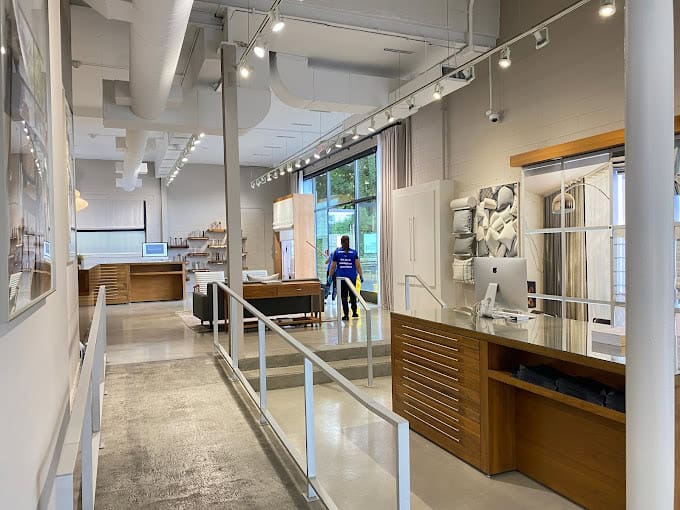
The scope of a proper post-construction clean goes well beyond dusting and mopping. Starting from the top of the space and working down, we remove all construction debris, clear fine dust from every surface including air vents and registers, clean and protect floors based on the specific material, wash windows inside and out to remove construction film and residue, and sanitize all surfaces before the space is considered ready.
On the equipment side, HEPA-filter vacuums handle the fine particulate that standard vacuums can’t safely capture. Microfiber cloths — used correctly, in the right sequence — pick up residual dust without scratching new surfaces. Eco-friendly, surface-safe cleaning products handle the sanitization without putting new finishes at risk.
Every product choice matters when you’re working on surfaces that were just installed and can’t be easily replaced if something goes wrong. For Nassau County homeowners who’ve put real money into a renovation — a new kitchen in Garden City, a master bath remodel in Manhasset, a finished basement in Massapequa — the stakes of using the wrong crew or the wrong products are high.
A scratch on new cabinetry or an etched stone countertop isn’t something you can undo with a second cleaning. Getting the right crew in from the start is the protection. We bring all cleaning supplies and materials to every job. There are no extra charges for specialty products, and no guesswork about whether the right tools are on the truck.
Licensed and insured, with over 20 years of experience serving Nassau County homes and businesses, we’ve built our process specifically to avoid the mistakes that happen when the wrong approach is applied to a fresh renovation.
One of the most common questions we hear: “Can’t my regular cleaning service just do a really thorough job?” The honest answer is that it depends on what the renovation involved. If you had minor cosmetic work — a fresh coat of paint in one room, new light fixtures — your regular crew may handle it fine.
But if you had any drywall work, tile installation, concrete, masonry, hardwood floor installation, or anything that generated significant fine dust, you need HEPA equipment and surface-specific products. That’s not a service most standard cleaning companies carry.
Another question that comes up often: “The contractor said they cleaned up — do I still need a professional crew?” Contractors do a rough cleanup. They remove the large debris, sweep the major surfaces, and clear the site so it’s functional. What they leave behind — the fine drywall dust that settled on every surface in the house, the grout haze on new tile, the construction film on windows, the dust that worked into the HVAC system — is exactly what we’re there for.
The contractor’s cleanup and the post-construction cleaning serve different purposes. Homeowners in Nassau County also ask about timing, especially when they’re eager to move back into a renovated space. The short answer is: don’t schedule the detail cleaning the same day the contractor finishes.
Give the airborne dust 24 to 48 hours to settle before we come in for the thorough pass. If you schedule too early, the fine particulate still floating in the air will re-coat surfaces almost as fast as they’re cleaned. It’s a small delay that makes a real difference in the final result.
Finally: “Is post-construction cleaning safe for my kids and pets?” With us, yes. We use eco-friendly cleaning solutions that are non-toxic and safe for the whole household — which matters especially in a freshly renovated space where harsh chemical cleaners would be the last thing you’d want to introduce.
The short version: if your renovation involved drywall, tile, concrete, hardwood floors, or anything that generated fine dust and debris, a standard cleaning service — even a very good one — isn’t the right tool for the job. You need a construction cleaning crew with the equipment, the products, and the process designed specifically for what a renovation leaves behind.
Deep cleaning has its place. Regular cleaning has its place. Post-construction cleaning is its own category, and it exists because the mess is different, the surfaces are different, and the risks of getting it wrong are real.
If you’ve just finished a renovation in Nassau County and you’re not sure where to start, One A Cleaning and Maintenance has been handling exactly this kind of work for over 20 years. Reach out by text at 516-695-5649 for pricing and availability — we’ll take it from there.
Article details:
Share:
Continue learning: